
Bladder and Uterine Prolapse
Assoc. Prof. Dr. Uygar Miçooğulları, FEBU · Urology and Andrology in İzmir
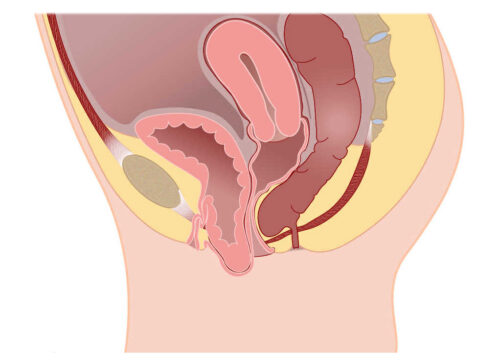
When organs located in the lower abdomen, known as the pelvic region (uterus, bladder, rectum, bowels), descend from their normal position and protrude through the vagina, the condition is called pelvic organ prolapse (POP).
If the prolapsing organ is the bladder, it is called a "cystocele"; if it is the uterus, "uterine prolapse"; if it is the rectum, a "rectocele"; and if it is the bowels, an "enterocele".
What Causes It?
Factors such as advanced age, pregnancy, difficult and multiple vaginal deliveries, chronic constipation, chronic cough, obesity, frequent heavy lifting and genetic predisposition play an important role in bladder and uterine prolapse. Particularly with advancing age and difficult deliveries, the ligaments that support the pelvic floor weaken, and the organs held up by this hammock-like structure sag downward.
Symptoms of Bladder and Uterine Prolapse
It can cause urinary incontinence, difficulty urinating, a palpable mass in the vaginal area, difficulty with bowel movements and sexual dysfunction.
Treatment of Bladder and Uterine Prolapse
Treatment options may vary depending on the degree of prolapse, how much the condition bothers the patient, any coexisting systemic disease, whether the patient is sexually active, and whether urinary incontinence is also present.
Particularly for people with a family history of prolapse, cystocele or rectocele, preventive measures include losing excess weight, doing exercises that strengthen the pelvic floor muscles, quitting smoking, treating any conditions that may cause chronic cough, and treating chronic constipation if present.
Mild prolapse usually does not require treatment. However, because the prolapse may progress, close follow-up is needed. These patients benefit from Kegel exercises, which strengthen the pelvic floor muscles. In addition, avoiding chronic cough and constipation and not lifting heavy loads are important in keeping the condition from progressing.
Surgical treatment
In patients who have completed their childbearing years and have significant prolapse of the uterus, bladder and rectum, removal of the uterus is usually performed together with repair of the herniated areas of the bladder and rectum.
Vaginal Repair: The defect causing the bladder and rectum to prolapse is repaired through the vagina. If the person also has urinary incontinence, incontinence surgery can be performed in the same session.
Sacrocolpopexy: Performed through the abdomen with open, laparoscopic or robotic surgery. The front and back walls of the vaginal vault are covered with a synthetic mesh, and the other end of the mesh is attached to the bone called the sacrum, near the tailbone. It is a technique used to return the vagina to its normal position and pull the prolapsed organs back into place.
Contact us for a consultation and appointment
Medical Park İzmir Hospital · Appointments: 0530 574 79 89 · 444 44 84
Book an Appointment