
Genital Warts (Condyloma) and HPV
Assoc. Prof. Dr. Uygar Miçooğulları, FEBU · Urology and Andrology in İzmir

In a hygienic clinic setting, we offer suitable and comfortable treatment options for genital warts using laser, cautery and cryotherapy methods.
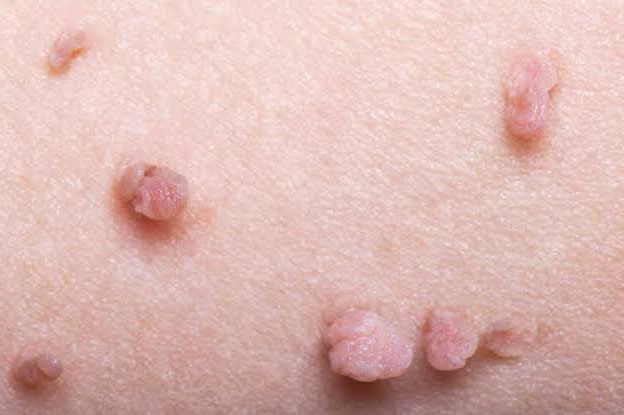
Genital Warts
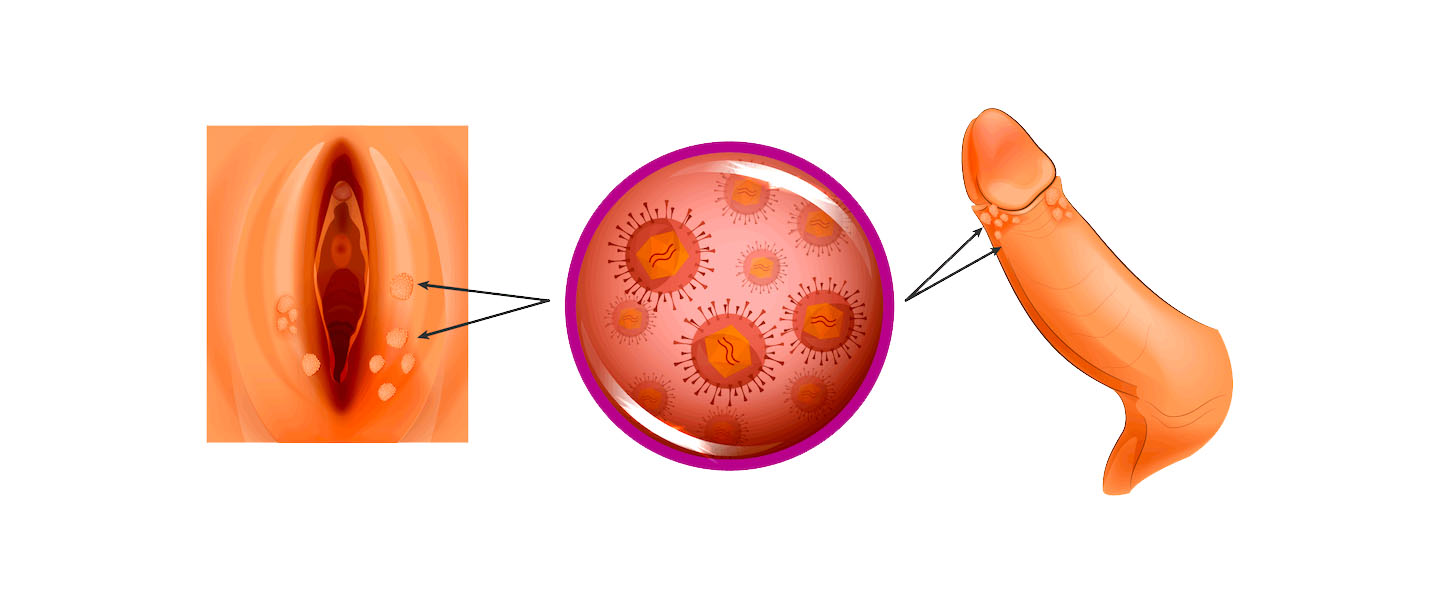
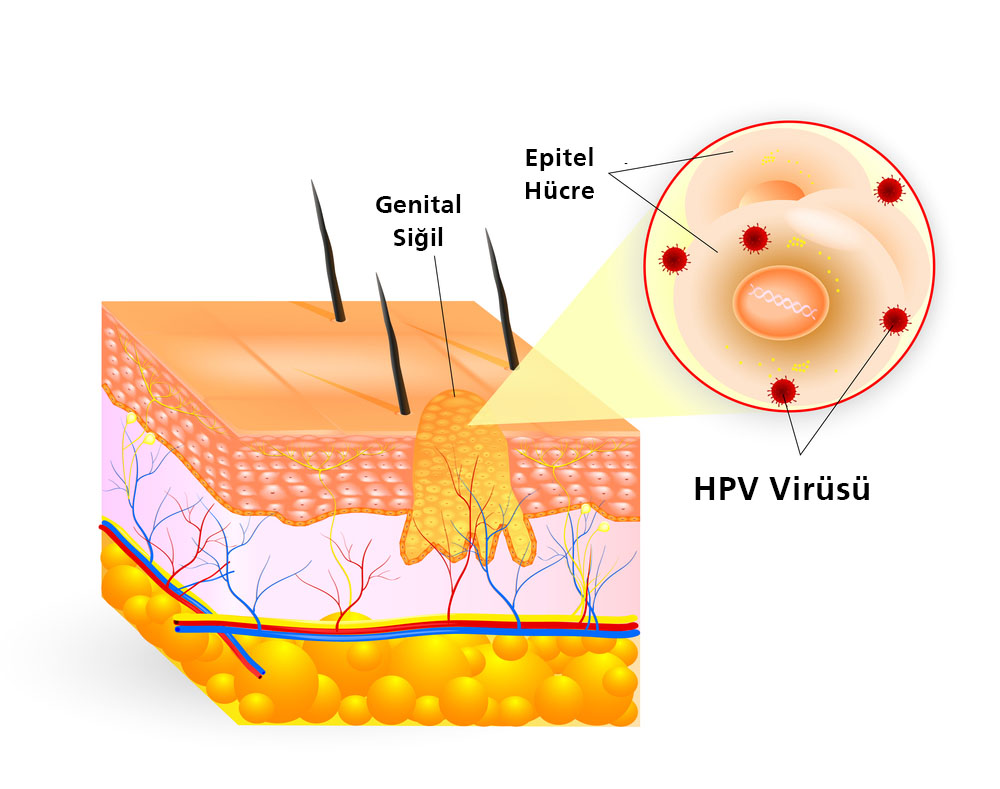
The causative agent of “genital warts (condyloma)”, which occur in both men and women, is HPV (human papillomavirus), and they make up the most common group of sexually transmitted diseases worldwide and in our country. More than thirty types of HPV infect the genital system, but visible lesions (warts) are most often caused by HPV types 6 and 11. HPV-related cancers (cervical, penile and anal cancers) are mostly caused by strains that progress silently, such as types 16 and 18.
How Is It Transmitted?
It is most often transmitted through sexual contact (vaginal, oral, anal), but transmission without sexual contact is also possible (such as hand contact, sharing razors or underwear, or transmission from mother to baby during birth).
When Do Symptoms Appear?
Most cases (70%) progress silently (asymptomatically) without any signs. The time from transmission to the appearance of lesions (incubation period) ranges from 3 weeks to 8 months.

How Is It Diagnosed?
The diagnosis is made by seeing papillomatous (cauliflower-like) brown or reddish lesions. In patients without visible lesions, applying 3% to 5% acetic acid to the genital area makes condylomas appear as white areas. Subtyping can be done with HPV-DNA testing, but it is not widely used. Routine biopsy of warts is also not recommended. However, biopsy is recommended for warts that look atypical, are pigmented, hard or ulcerated, in immunocompromised patients, and for lesions that do not improve after treatment.
Who Should Receive the HPV Vaccine?
The most effective way to protect against genital warts is the HPV vaccine. For protection, it is given to women and men aged 9–45. Two doses are recommended under the age of 15, and three doses above that age. It contains eight types of HPV virus. It is given as 3 doses within 6 months. The HPV vaccine provides a high level of protection against the HPV types it contains.
How Is It Treated?
There is no treatment that completely eliminates or clears HPV infection from the body, but 90% of the viruses disappear from the body spontaneously within two years. By strengthening the immune system, the chance of clearing the virus from the body can be increased. Even if the virus cannot be eliminated, genital warts can be removed with various methods. If left untreated, these warts can grow and multiply in clusters.
Burning the lesion with cautery or laser
Freezing the genital wart with cryotherapy
Surgical removal of the genital wart are among the treatment options.
Women with genital warts should be screened for cervical cancer. Similarly, high-risk patients with anal condylomas (HIV, transplant recipients, etc.) should be screened regularly with anal cytology. Those with lesions at the urinary opening of the penis should undergo endoscopic examination for involvement of the urinary channel (urethra) or bladder.
Frequently Asked Questions
What are genital warts (condyloma) and what causes them?
How is HPV transmitted?
How are genital warts diagnosed?
Who should get the HPV vaccine?
How are genital warts treated?
Contact us for an examination and appointment
Medical Park İzmir Hospital · Appointments: 0530 574 79 89 · 444 44 84
Book an Appointment