
Prostate Cancer
Assoc. Prof. Dr. Uygar Miçooğulları, FEBU · Urology and Andrology in İzmir
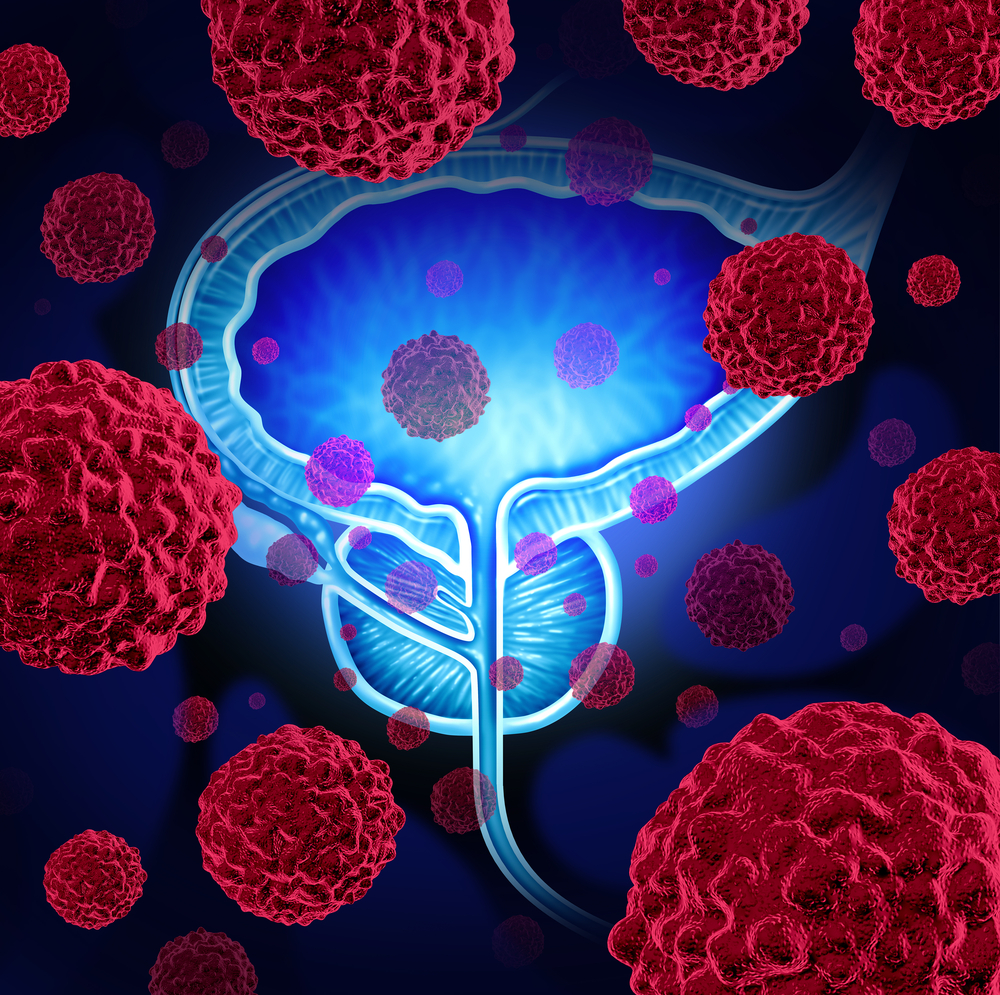
Epidemiology
According to American Cancer Society data, prostate cancer is the most common type of cancer in men in Western countries, accounting for about one quarter of all cancer cases. In our country, too, it is one of the most common types of cancer in men, together with lung cancer. Recent studies report that although a man's lifetime risk of developing prostate cancer is between 15% and 20%, the risk of death from this disease is around 3%. This is because, although prostate cancer is very common, it has a very high chance of cure, especially when diagnosed at an early stage and treated with the right treatment plan.
What Are the Symptoms of Prostate Cancer?
Prostate cancer has no typical early symptoms and only reveals itself through complaints that appear in the advanced stage. At this stage, it may no longer be possible for the person to be cured of the disease. Therefore, it is very important to detect the disease while it is still confined to the prostate, that is, in the early period when it shows no clinical signs. Ensuring that men see a urology specialist once a year for a prostate examination after the age of 50, even if they have no complaints, will only be possible by raising awareness of this disease.
What Are the Risk Factors for Prostate Cancer?
As with many types of cancer, no single agent or process responsible for this disease has been identified. However, there are three definitively established risk factors for prostate cancer. These are age, ethnic origin and genetics.
The frequency of prostate cancer increases with age. For example, only 2% of all cases are under the age of 50. Epidemiological studies have also shown that prostate cancer has both a familial and a genetic component. For this reason, people with a family history of prostate cancer are advised to be screened at an earlier age and at more frequent intervals than the general population. By ethnic origin, it is most common among Black people living in America and least common in East Asia. However, it has been shown that when a person of East Asian origin migrates to America, their risk of prostate cancer also increases. This suggests that, apart from ethnic origin, environmental factors (a high-fat, low-fiber diet) are also a risk factor in the development of prostate cancer.
How Is Prostate Cancer Detected?
Measuring the blood level of a protein called PSA, which is secreted by the prostate and passes into the blood to a certain degree, and a digital rectal examination of the prostate are the first steps in diagnosis. A high PSA level does not necessarily mean cancer, and a low level does not mean there is no cancer. However, if findings that raise suspicion of prostate cancer are detected with these two examination methods, tissue sampling with a prostate biopsy is needed to make a definitive diagnosis.
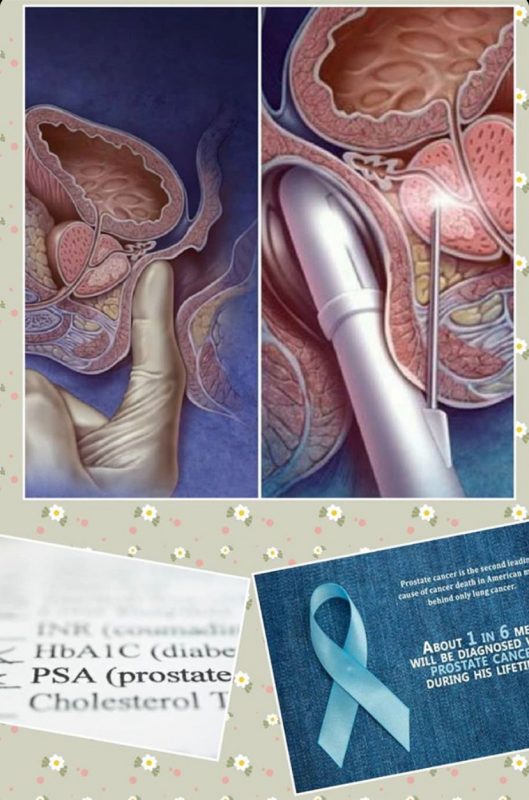
How Is a Prostate Biopsy Performed?
A classic prostate biopsy is performed through the rectum under ultrasound guidance, and tissue samples are taken by blindly sampling 10–12 points of the prostate. However, with this method only 70–75% of prostate cancer cases can be diagnosed, and a significant proportion of cancer cases are missed. Repeat biopsies are recommended for cases in which cancer is not diagnosed after biopsy but cancer suspicion continues, and this creates a risk of serious infection, bleeding and pain for patients.
The MRI-fusion (targeted) prostate biopsy method developed in recent years is a highly sensitive “smart biopsy” method that identifies suspicious foci in the prostate and allows targeted sampling of these areas. This method has a very high accuracy rate (98%) in diagnosing prostate cancer; cancer cases are not missed as they are in standard biopsies, and repeat biopsies are not needed.
What Are the Treatment Options?
In prostate cancer, the choice of treatment is made by taking into account the pathological features of the tumor (stage, grade, etc.) as well as the patient's age and general health.
Treatment options include Surgical Treatment (Radical Prostatectomy), Radiation Therapy (Radiotherapy), Focal Therapies (HIFU), Hormone Therapy, Drug Therapy (Chemotherapy) or Active Surveillance; taking the criteria above into account, a decision made jointly by the patient, their family and the doctor will be the most appropriate approach.
Surgical Treatment (Radical Prostatectomy)
Radical prostatectomy is the complete removal of the prostate and is the most effective of the treatment methods for disease that has not spread. The 10-year survival rate of patients who undergo radical prostatectomy is over 90%. For this reason, radical prostatectomy is the most preferred of all treatment methods.
The prostate tissue lies very close to the nerves responsible for sexual function and to the structures responsible for urinary continence. During this operation, it is important not to damage the structures that provide urinary continence and to preserve the nerves responsible for sexual function.
The most important advantage of robotic surgery over open surgery is that the nerves responsible for sexual function and the structures providing urinary continence can be preserved more easily. A smaller incision, less blood loss and faster discharge are other advantages of robotic surgery compared with open surgery.
HIFU (High Intensity Focused Ultrasound)
HIFU is a procedure that destroys cancer cells within the prostate with the help of high-intensity focused sound waves. Using an ultrasound source placed through the rectum under general anesthesia, targeted points in the prostate tissue are destroyed by the high heat energy generated by HIFU.
The HIFU method, which has come to the fore in recent years as a non-surgical treatment option in prostate cancer cases, offers major advantages. In particular, because the latest version of HIFU technology allows only the diseased area of the prostate to be treated without damaging the surrounding tissues, risks such as urinary incontinence or sexual dysfunction, which are among the possible side effects of classic surgery, are also eliminated.
Contact us for an examination and appointment
Medical Park İzmir Hospital · Appointments: 0530 574 79 89 · 444 44 84
Book an Appointment