
Laparoscopic and Robotic Surgery
Assoc. Prof. Dr. Uygar Miçooğulları, FEBU · İzmir Urology and Andrology
Laparoscopic (Minimally Invasive) and Robotic Surgery
What is laparoscopic surgery?
A camera is used during laparoscopic surgery. The camera allows imaging inside the body. Usually, a small opening is made in the abdominal skin and the camera is passed inside. In addition, two more separate openings are made and laparoscopic working instruments are advanced into the body. We call these openings laparoscopic port sites. Instruments called trocars, which facilitate entry into and exit from the body, are used at the laparoscopic ports. Through these fixed thin tubes, it becomes possible to insert and remove the camera and working instruments. The operation area is determined beforehand with imaging such as computed tomography. Placing patients in the appropriate position is very important. There are specific positions depending on the type of surgery to be performed. After the patient is placed in the appropriate position, first the camera and then the working instruments are passed into the body, and the organs are dissected as in open surgery to perform the operation.
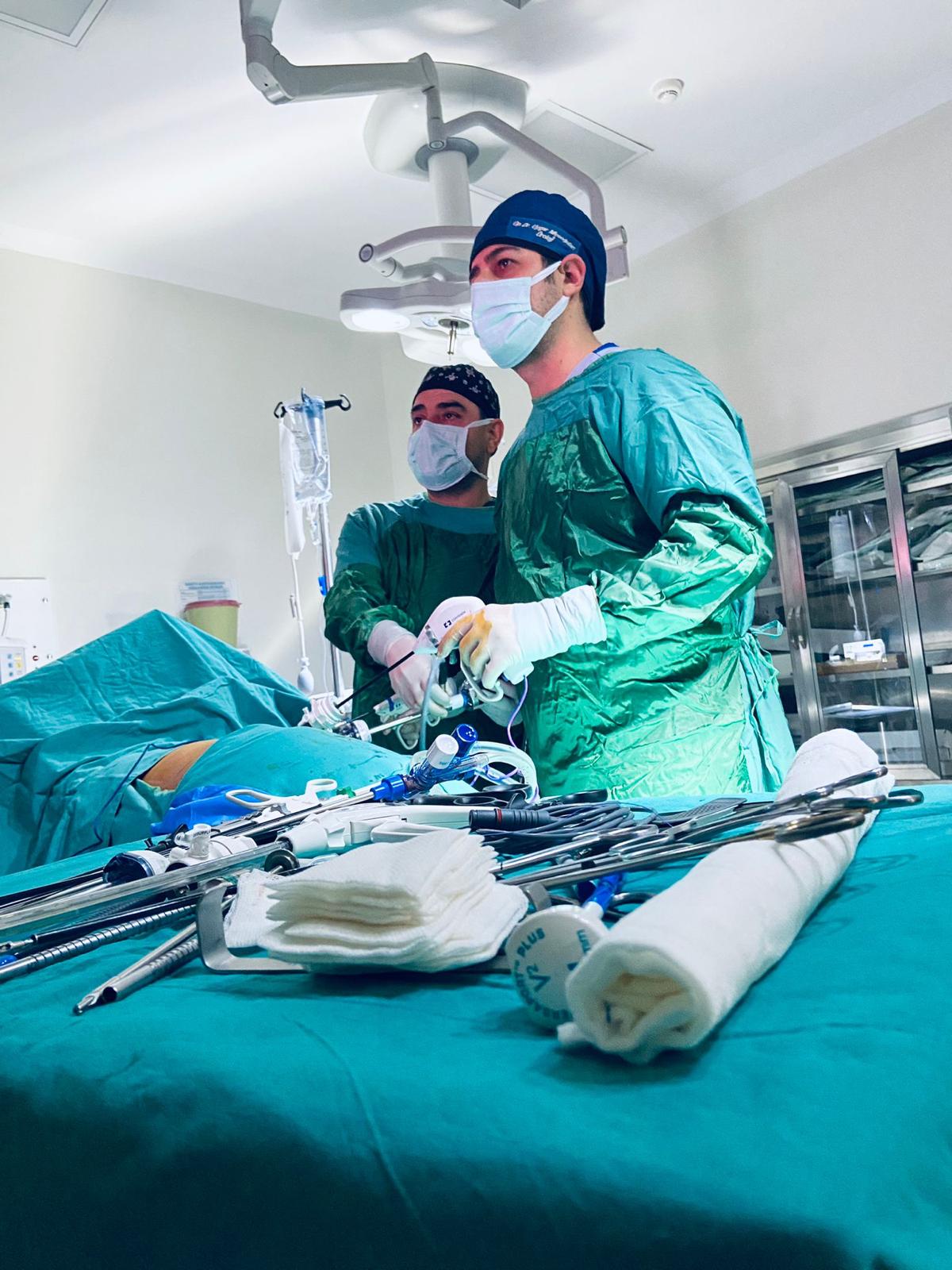
During laparoscopy, usually 3, sometimes 4 or 5 openings may be used. The camera is advanced into the patient through the first of these openings and surgical instruments through the others. When there are 3 openings, 2 of them are 1 cm and one is 0.5 cm in diameter. Thus, the operation is completed with a total wound of 2.5 cm.
The greatest advantage of laparoscopy is that excellent cosmetic results are achieved. While the scars patients are left with in open surgery are often large, between 20 and 30 cm, laparoscopic surgery is performed through openings measured only in centimeters whose scars are barely visible, providing a cosmetically preferred appearance after the operation.
Pain after laparoscopic surgery is markedly lower than after open surgery. Pain caused by large wounds is very limited. Less pain keeps post-operative comfort at a high level. The patient recovers quickly and the length of hospital stay is greatly reduced. Post-operative cosmetic results are generally not given much importance by the surgeons performing the operation, but this issue is very important for patients. Since we started laparoscopic surgery, we have seen that patients are much more willing to accept surgery and decide more quickly. We believe that the fact that no scar will remain after the operation plays a role in this.
Benefits of laparoscopic surgery
To summarize the benefits of laparoscopic surgery mentioned above: patients feel much less pain after surgery than with open surgery. Since the procedure is performed with 10–15x magnifying optics, the amount of bleeding is much lower than in open surgery. Since there are no large wounds, the hospital stay is very short. Instead of the large scars left by open surgery, laparoscopy leaves small scars, and sometimes none at all.
Because recovery time is short and the hospital stay is brief, the patient returns to daily life and working life quickly.
Thanks to the magnified image, surgical practice and surgical training are easier.


Conditions treated with laparoscopic surgery in urology
Laparoscopic methods are increasingly and frequently used in many areas of urologic surgery.
Kidney tumor surgery, Removal of an atrophic kidney, Removal of kidney cysts, Surgery to correct UPJ (ureteropelvic junction) obstruction in the kidney, Adrenal gland surgery, Operations on the ureter, Removal of lymph nodes Prostate cancer surgeryFor conditions such as these, we prefer laparoscopic surgery.
What is robotic surgery?
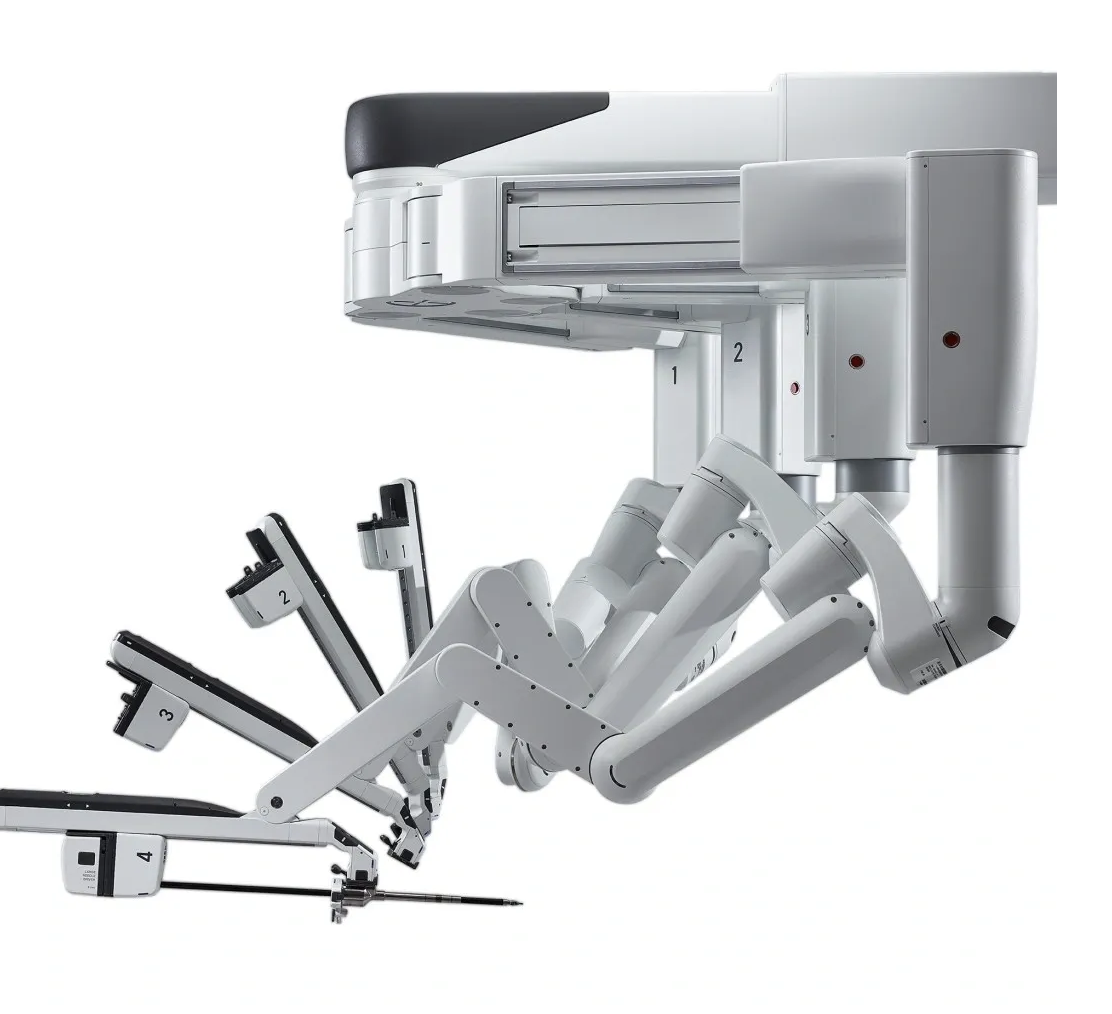
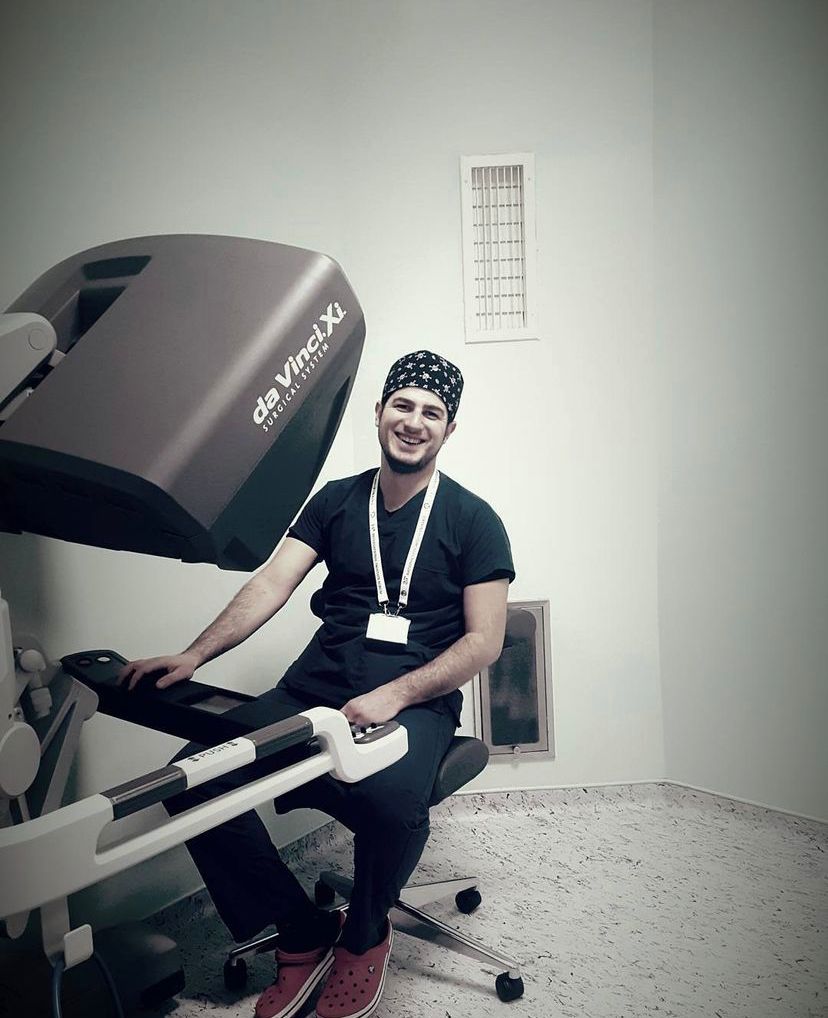
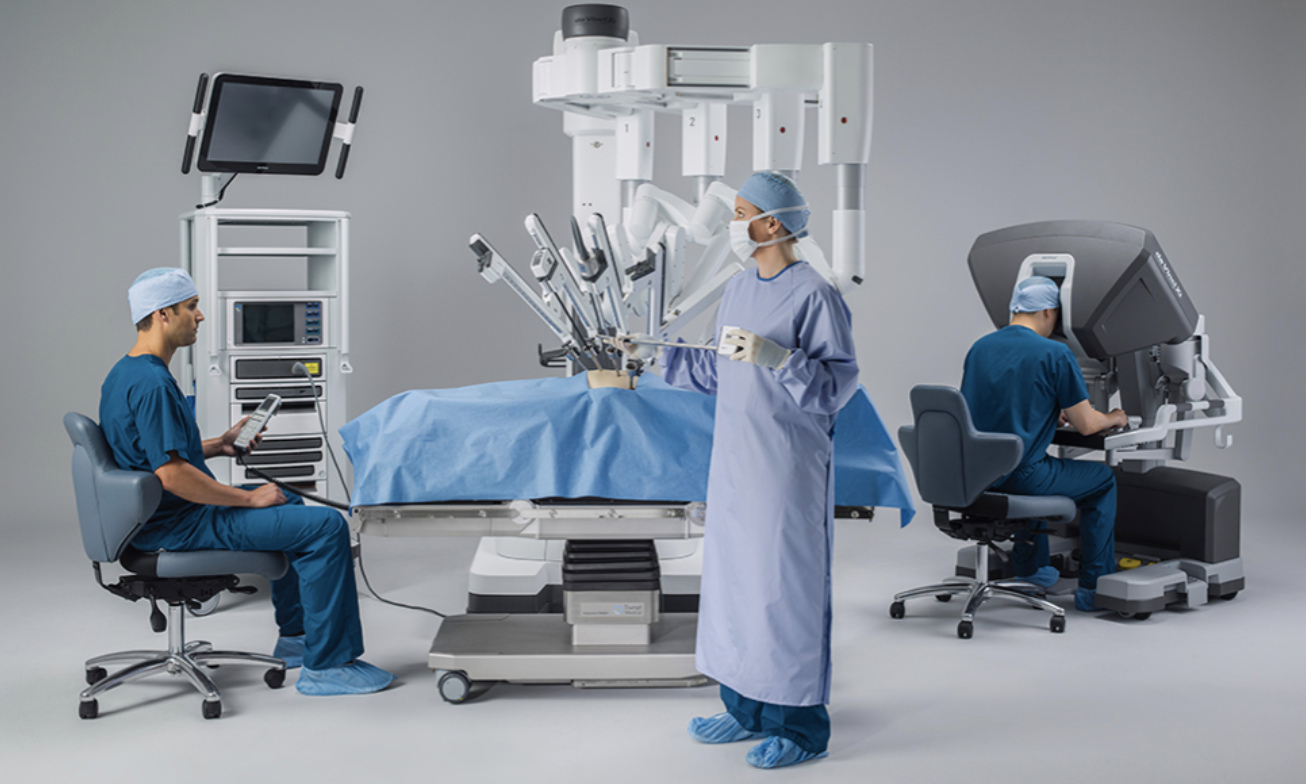
In robotic surgery, the surgeon performs the operation from the surgeon console located in the operating room near the patient, using arms on the patient cart that are modeled on the human wrist.
What Are the Advantages of Robotic Surgery?
A camera that transmits a real 3D HD image of the instruments and the operating area to the surgeon console is passed through small incisions to the patient's operating site. From the console in the operating room, the surgeon controls these instruments, which can rotate 540 degrees, and performs the operation in very narrow spaces with maneuvers the human hand cannot perform.
Conditions treated with robotic surgery in urology
Robotic Prostate Cancer Surgery Robotic Kidney Cancer SurgeryAll other operations performed laparoscopically.
Previous
Next
Contact us for a consultation and appointment
Medical Park İzmir Hospital · Appointments: 0530 574 79 89 · 444 44 84
Book an Appointment