
Laparoscopic Surgery - Bladder Cancer
Assoc. Prof. Dr. Uygar Miçooğulları, FEBU · Urology and Andrology in İzmir
Bladder Cancer
Bladder Tumor (Bladder Cancer): Diagnosis and treatment of bladder tumors with the most up-to-date and modern methods. In the treatment of bladder cancer, closed (endoscopic) laser and TUR, creation of an artificial (neo) bladder, and laparoscopic and robotic surgery methods are used.
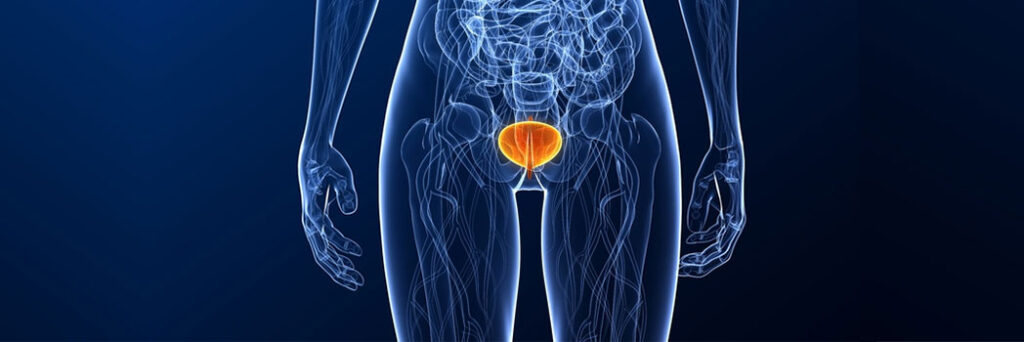

What Is Bladder Cancer?
Worldwide, bladder cancer is the 7th most common type of cancer in men and the 11th most common type of cancer regardless of sex. The disease is seen more often in men than in women, but it is known to follow a more aggressive course in women. Bladder cancer is usually seen at older ages, and its frequency increases with age. However, it should not be forgotten that it can occur at any age, including childhood.
In 75% of cases, the disease is detected at an early stage. However, because this disease carries a risk of recurrence after treatment, it is important to keep it under close follow-up, even when detected early, so that it does not progress to a higher stage.
What Are the Risk Factors for Bladder Cancer?
The most important risk factor for developing bladder cancer is the use of cigarettes and other tobacco products. It is known that 55–60% of cancers in men and 20–30% in women are directly related to smoking.
Occupational exposure to chemical agents (especially dye, leather, textile and petroleum products), chronic irritation (stones, infection, catheters, etc.), certain parasites (such as schistosoma) and radiotherapy exposure are other risk factors.
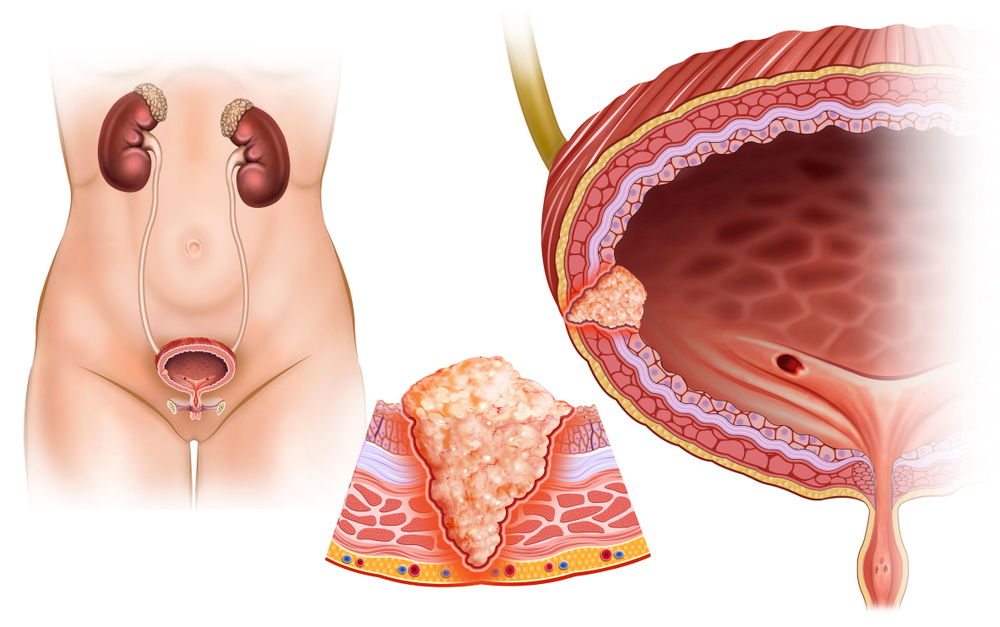
Symptoms of Bladder Tumors
The most common sign of a bladder tumor is painless blood in the urine. Clots may also be passed in the urine along with the bleeding. Sometimes the blood in the urine is not visible to the eye and can only be detected with a urine test. Apart from blood in the urine, complaints such as burning and pain during urination, difficulty urinating and frequent urination are other symptoms that may appear in the early stage of this disease. If the disease has progressed and spread to other organs, it can cause symptoms such as weight loss, loss of bladder and bowel control, bone pain, cough and confusion.
What Are the Diagnostic Methods?
Cystoscopy: A procedure in which an optical device is passed through the urinary channel (urethra) to view the inside of the bladder. This procedure can also be performed under local anesthesia, especially when done with flexible devices.
Biopsy: In suspicious cases, a biopsy can be taken from inside the bladder during cystoscopy for pathological examination. The biopsy can sometimes be performed for both diagnostic and treatment purposes as a “TUR (transurethral resection).”
Urine Cytology: Examination of a urine sample under a microscope for the presence of cancer cells.
Imaging Methods: Radiological imaging methods (CT, MRI, PET/CT, etc.) are needed both at the initial diagnosis stage and for staging after bladder cancer has been diagnosed.

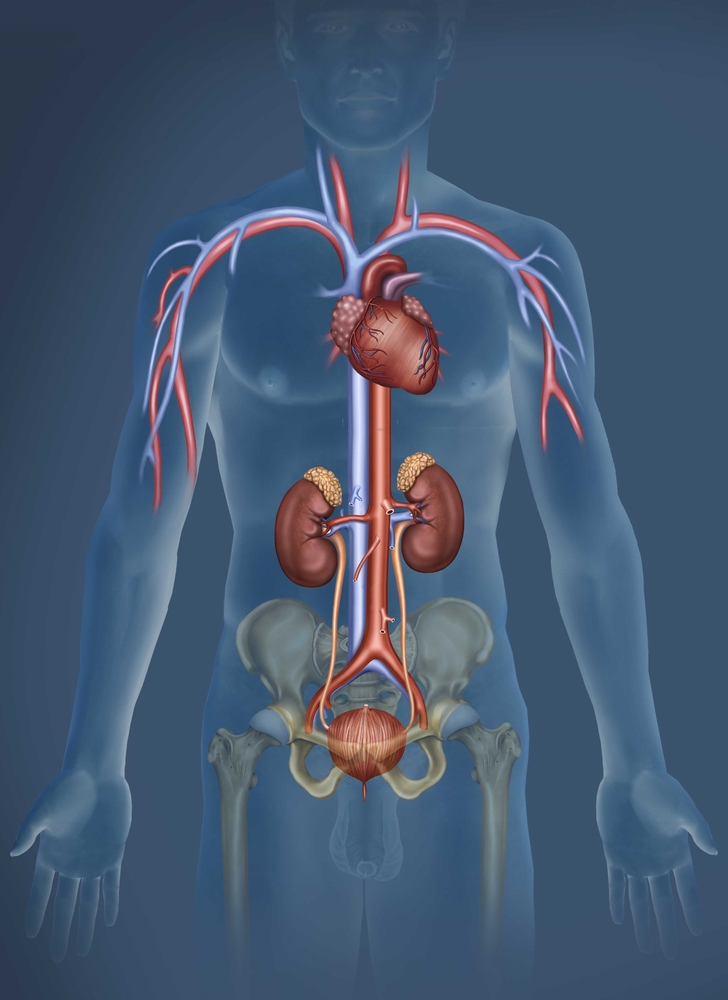
What Are the Treatment Methods?
When planning bladder cancer treatment, the decision should be made by taking into account the type, pathological stage and grade of the tumor, as well as the patient's age and current health.
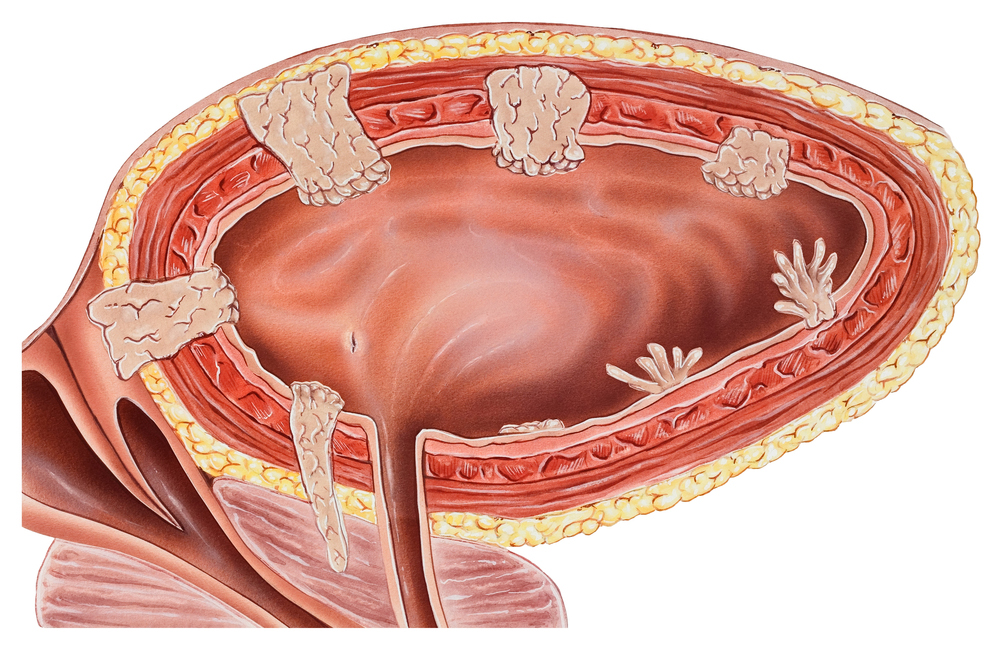
In early-stage patients whose tumor is confined to the bladder lining (epithelium) and does not involve the muscle layer, TUR surgery, in which the tumor tissue is removed endoscopically, is often sufficient. In these patients, BCG or chemotherapy drugs, which damage tumor tissue by boosting the body's immune response, can additionally be given into the bladder. These drugs reduce the risk of tumor recurrence. Even so, patients need to be followed up periodically with cystoscopy and imaging methods for the possibility of tumor recurrence.
Treatment Methods
In the treatment of tumors that have invaded the muscle layer of the bladder (Stage 2), the gold-standard approach is “Radical Cystectomy” surgery, in which the entire bladder is removed. During radical cystectomy, after the bladder is removed, a new artificial bladder can be created using the patient's small intestine with different methods, or the urinary tract can be diverted to an opening on the abdomen (ileal conduit). Radical cystectomy can classically be performed with the open method, and it can also be performed with advanced laparoscopic or robotic surgery.
When the outer layer of the bladder (serosa) is invaded by the tumor (Stage 3) or the cancer is found to have spread to other organs (Stage 4), systemic chemotherapy is applied first, and depending on the response, radiotherapy or surgery (radical cystectomy) options can be applied.
Contact us for an examination and appointment
Medical Park İzmir Hospital · Appointments: 0530 574 79 89 · 444 44 84
Book an Appointment