
Shock Wave Therapy (ESWT) & PRP (P-Shot)
Assoc. Prof. Dr. Uygar Miçooğulları, FEBU · Urology and Andrology in İzmir
What Is ESWT (Low-Intensity Shock Wave Therapy)?
It is a treatment that provides a lasting solution to erection problems by stimulating tissue regeneration and the formation of new blood vessels in the penis with low-intensity sound waves. Apart from erectile dysfunction, the ESWT method is also used to treat Peyronie's disease and chronic prostatitis.
Advantages of ESWT in Urology
Shock wave therapy is a procedure that does not require anesthesia and is given in an outpatient clinic setting in 6–12 sessions of 20 minutes each. An average of 1,500 pulses are delivered in each session. The patient can continue daily life after the procedure.
In urology, ESWT has been shown to achieve successful results in 70–80% of patients. Because its risk of side effects is very low, has a lasting effect and is highly effective, it has taken its place among the first-line treatments recommended in the European Association of Urology Guidelines.
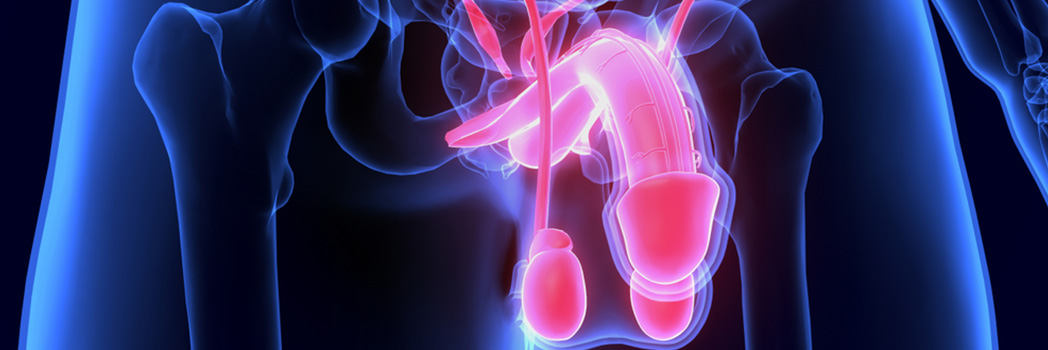
Penile PRP Treatment
-Penile PRP (platelet-rich plasma) treatment is a procedure in which plasma rich in platelets, obtained from the person's own blood, is injected into the penis. -PRP treatment is used in many fields of medicine. The main aim of these treatments is to benefit from the effects of platelets, which are rich in growth factors, on cell regeneration and repair.
Effects of Penile PRP
Penile PRP treatment stimulates tissue regeneration and the formation of new blood vessels in the penis. Thanks to this effect, it aims to:
-Improve erection problems in people with erectile dysfunction,
-Increase penile length and girth,
-Help plaques regress in Peyronie's disease.
-Because PRP is obtained from the person's own blood, the risk of infectious disease or allergic reaction is very low. Serious side effects are rare; suitability is assessed at the consultation. It is a painless -procedure performed in an office setting.
Frequently Asked Questions
What is low-intensity shock wave therapy (ESWT)?
How many sessions does shock wave therapy take, and is anesthesia needed?
What is penile PRP treatment?
For which problems is penile PRP used?
Does PRP treatment have side effects?
Contact us for an examination and appointment
Medical Park İzmir Hospital · Appointments: 0530 574 79 89 · 444 44 84
Book an Appointment