Small bumps noticed in the genital area can be challenging for many people, not only physically but also in terms of privacy and anxiety. Genital HPV wart treatment should be planned beyond simply removing the visible wart: it involves making the correct diagnosis, assessing how widespread the lesions are and managing the risk of recurrence. For this reason, rather than using products based on information found online, proceeding with a urology or dermatology evaluation is a safer approach.
HPV, or human papillomavirus, is a very common virus. Some types can cause genital warts (condyloma). Warts are most often seen on the penis, groin, scrotum, perineum and around the anus. They may start as a single, small, skin-colored bump, or they may multiply over time or merge to take on a cauliflower-like appearance. It should be remembered that not every bump is an HPV wart and that different skin problems can look similar.
Why do genital warts require a specialist evaluation?
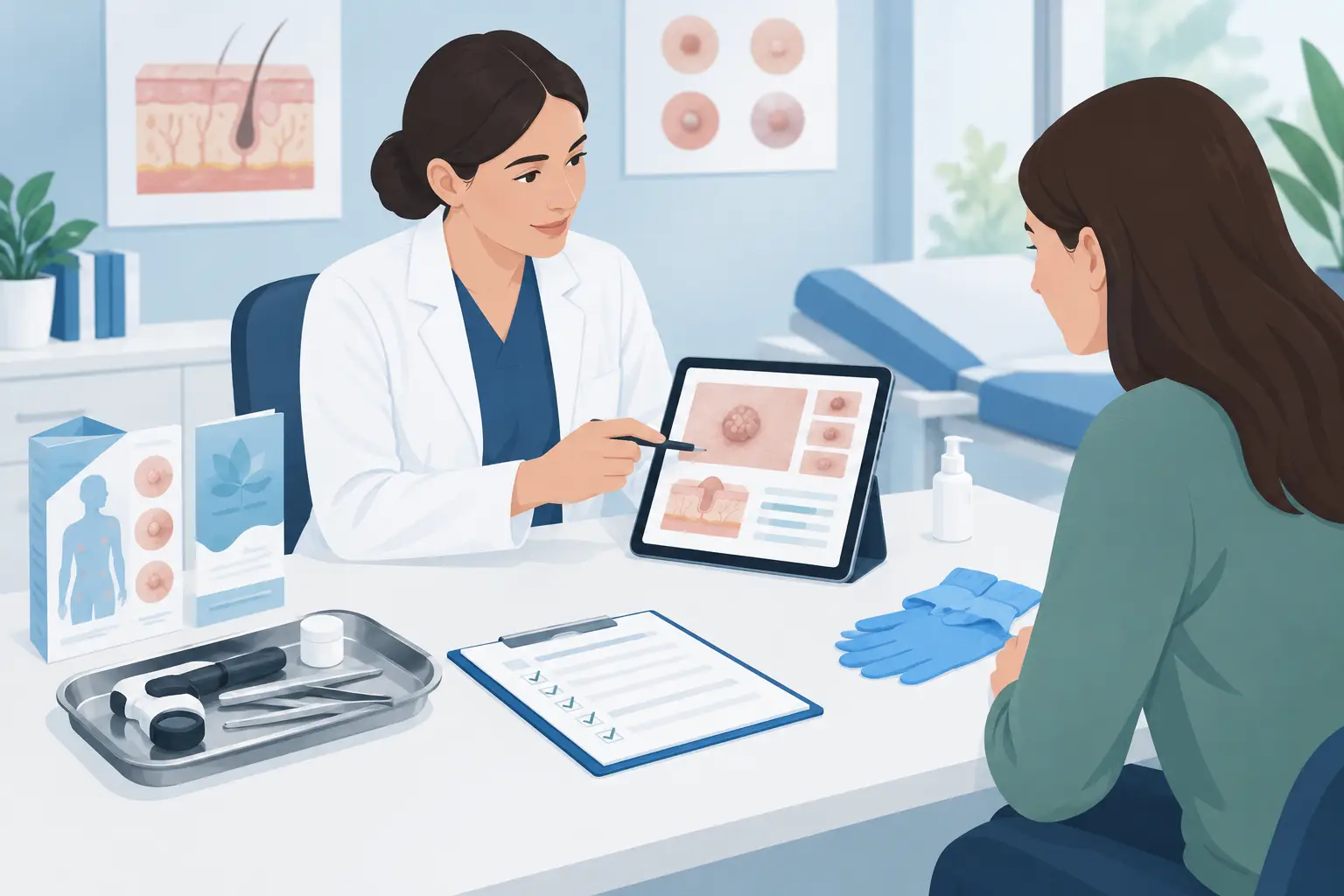
The most critical first step in treating genital warts is identifying the lesion correctly. During the examination, the number, diameter and location of the warts, their relationship with the surrounding tissue and any previous procedures are evaluated. Because the skin structure varies in areas such as the shaft of the penis, the foreskin, the scrotum and the anal region, it is not appropriate to approach every lesion with the same method.
In some patients, the warts have appeared recently and are limited in number. In others, freezing, burning or topical medication has been applied before, but the lesions have recurred. The goal and method of treatment may not be the same in these two situations. A detailed examination is particularly important for lesions that recur frequently, are widespread, bleed, change color or grow quickly.
HPV infection and the appearance of warts are not the same thing. The procedure aims to clear the existing warts; it does not guarantee that the virus disappears from the body completely and immediately. For this reason, follow-up is needed even after a successful procedure. Recurrence does not necessarily mean the treatment was inadequate; it may be related to microscopic foci in the skin, invisible to the eye, becoming apparent over time.
What methods are used for genital HPV wart treatment?
Treatment is planned individually according to the patient's clinical condition. When there are few lesions and they are superficial, some topical treatments may be considered. However, these products are not suitable for every area; because of the risk of irritation, burning, sores and damage to the surrounding skin, they should not be used without a physician's recommendation.
The freezing method known as cryotherapy can be used for selected small lesions. After the procedure with liquid nitrogen, temporary redness, swelling, blistering or tenderness may occur. When the lesions are numerous, deeply located or in sensitive anatomical areas, cryotherapy alone may not be sufficient.
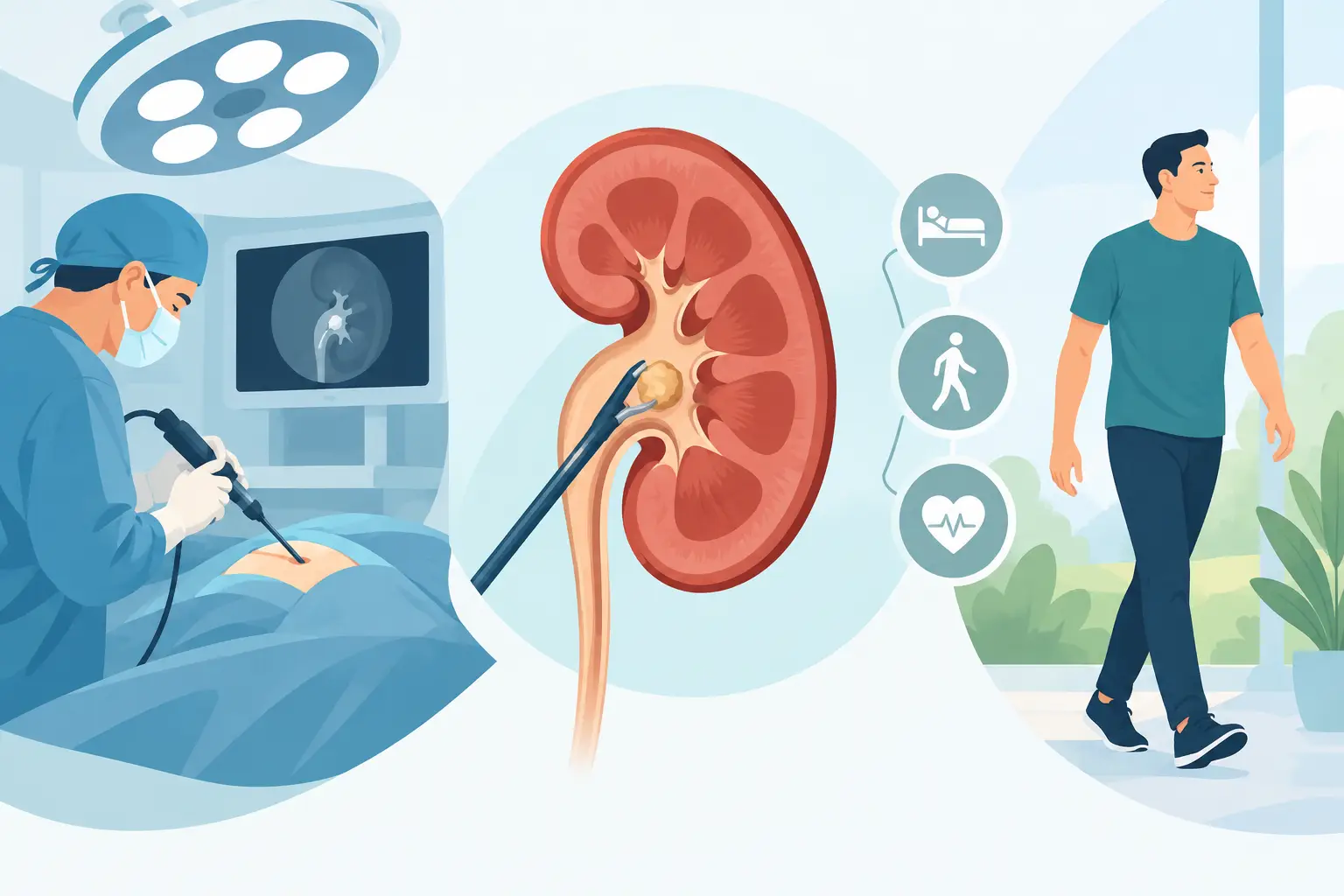
In methods such as electrocauterization, radiofrequency and surgical excision, the wart tissue is burned or removed in a controlled way. These procedures are effective options, especially for prominent, resistant or extensive lesions. Whether the procedure is performed under local anesthesia or with sedation is determined by the lesion burden, the size of the area to be treated and the patient's comfort needs.
Laser treatment is also one of the options used for genital warts. Laser energy can help remove the target tissue precisely. It may offer an advantage particularly in hard-to-reach areas, with multiple lesions, or when careful preservation of tissue is required for cosmetic reasons. However, laser is not automatically the best method for every patient. Cost, the treatment area, how widespread the warts are, the need for anesthesia and aftercare requirements should all be evaluated together.
As in the andrology approach of Assoc. Prof. Dr. Uygar Miçooğulları, the aim of procedures in the genital area is not only to remove the lesion but to create a plan that preserves tissue integrity, closely monitors the healing process and respects the patient's privacy.
What information should be shared before the procedure?
During the examination, any previous HPV diagnosis, treatments received, conditions affecting the immune system, regularly used medications and allergies should be shared. If blood thinners are being used, the procedure plan is adjusted accordingly. Stopping the medication without a physician's advice is not appropriate.
Whether the sexual partner has warts, an abnormal test result or another HPV-related finding may also be useful for the evaluation. These conversations may feel sensitive; however, this is information that should be shared openly and in confidence for a sound medical plan.
Recovery and follow-up after treatment
The process after the procedure varies according to the method chosen. After a procedure on a small area, tenderness lasting a few days may occur. With more extensive treatments, redness, scabbing, mild discharge or a burning sensation may last longer. Following the cleaning and wound care recommended by the physician directly affects the quality of healing.
After the procedure, it is necessary to avoid products that irritate the area, harsh rubbing and sexual contact for the recommended period. When sexual intercourse can be resumed should be clarified at the examination according to how the wound is healing. Early contact can cause trauma to the healing tissue and increase the risk of transmission to the partner.
If worsening pain, increasing redness, foul-smelling discharge, fever, significant bleeding or difficulty passing urine develops, a healthcare facility should be contacted without delay. Although these symptoms do not always indicate a serious problem, they should be evaluated for infection or complications related to the treatment area.
Follow-up appointments help detect new lesions that are not noticeable to the eye at an early stage. It is also useful for patients to check their own skin regularly, especially in the first months. When a new bump, itching, growth or change is noticed, the check-up should not be postponed.
HPV transmission and the partner
HPV is mostly transmitted through skin contact. Condoms can reduce the risk of transmission, but because they do not cover all the genital skin that comes into contact, they do not eliminate the risk. Avoiding sexual contact while warts are active and until healing is complete after treatment is important for reducing the risk of transmission.
The partner may also need an evaluation. For female partners, continuing regular gynecological check-ups and cervical screening is important. For male partners, an examination, information and a discussion of protective measures may be appropriate even if there are no visible lesions. Talking about the subject in an open, non-blaming way, based on shared responsibility for health, is the most appropriate approach.
The HPV vaccine is one of the preventive options that can be discussed with a physician depending on age, previous exposure and individual circumstances. The vaccine does not treat existing warts; however, it can help provide protection against certain HPV types. The decision to vaccinate should be made taking into account the person's age and medical history.
Why should home treatment be avoided?
Wart medications made for the hands, feet or other parts of the body can cause serious irritation on genital skin. Acid-containing products, uninformed attempts at burning, or trying to remove the lesion with sharp instruments increase the risk of bleeding, infection, scarring and spreading the wart to the surrounding skin. In addition, treating the wrong lesion can delay the actual diagnosis.
Although genital wart treatment is a private matter, it is not something that should be postponed. Early evaluation can increase the likelihood of resolving the problem with a more limited procedure and allows the process to proceed in a more controlled way. With the right method, regular follow-up and open communication, this problem becomes a manageable health issue.