
Completing the operation is not the final step of varicocele treatment. Especially in patients who seek care with the goal of having a child, properly managing the period after microsurgical varicocele surgery is decisive both for comfort and for a sound assessment of the treatment's results. A small incision in the groin, tenderness lasting a few days or uncertainty about when the semen analysis will improve raise similar questions in most patients' minds. Although the process varies from person to person, regular follow-up, adherence to recommendations and realistic timing make recovery safer.
The first days after microsurgical varicocele surgery
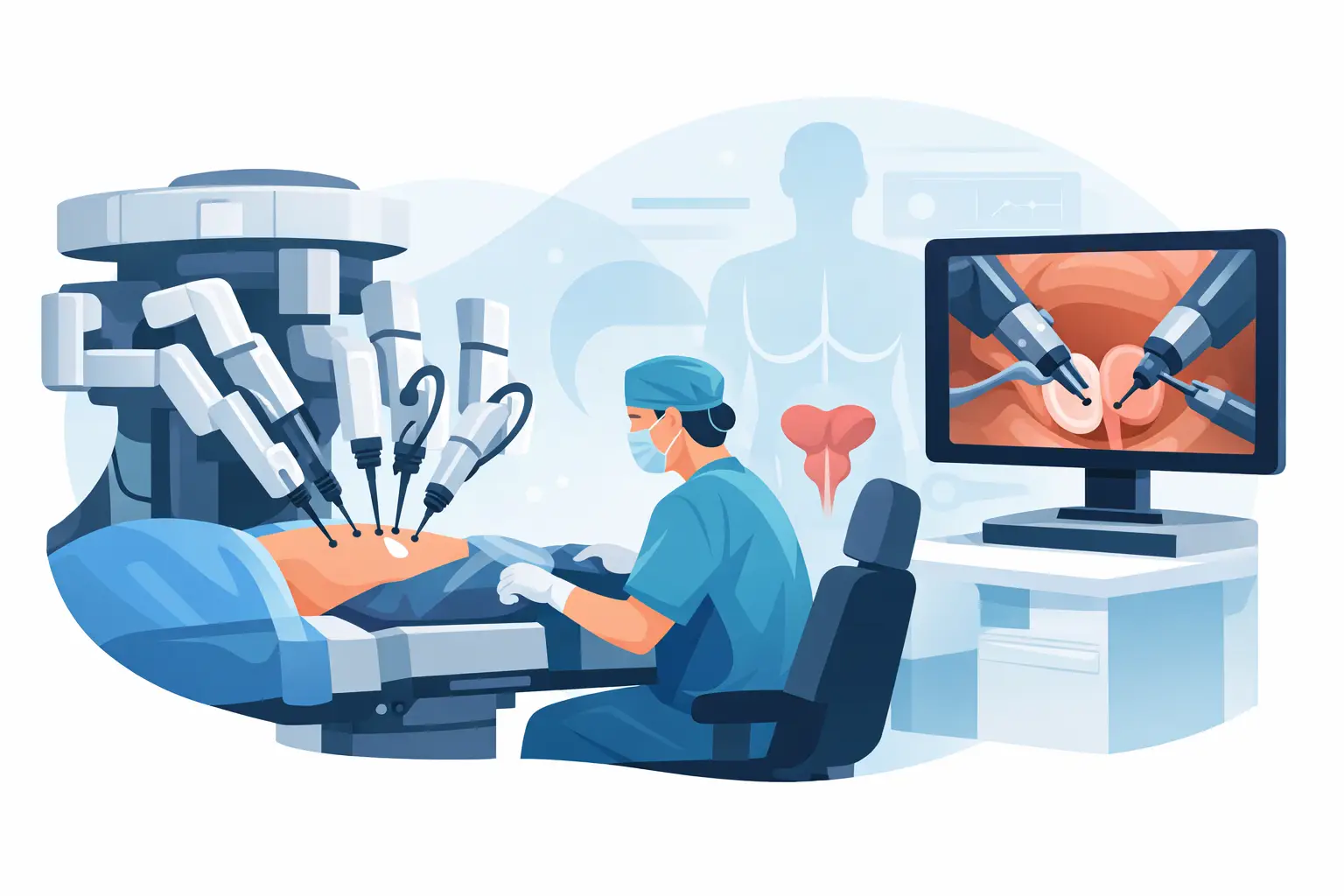
Microsurgical varicocelectomy is the procedure in which dilated veins of the testicle are tied off with the help of an operating microscope. Under the microscope, the aim is to preserve the artery, the lymphatic vessels and the structures supplying the sperm duct. While this delicate technique helps reduce the risk of complications, it does not remove the need for rest and care after surgery.
On the day of surgery, mild to moderate pain, tightness in the groin or tenderness in the testicle may occur. Drowsiness, nausea or fatigue related to anesthesia can also be expected in the first hours. If the patient's general condition is suitable, discharge can usually be planned on the same day or after a short observation period.
During the first 24–48 hours, it is helpful to rest as much as possible, avoid sudden movements and wear scrotal support underwear as recommended by your doctor. This support can help reduce the pulling sensation and swelling in the testicles. Painkillers recommended by your doctor should be taken at the stated dose, and no additional medications or herbal products should be started without consultation.
Are swelling and bruising normal?
Mild swelling around the incision, bruising in the groin and temporary tenderness in the testicle are common. These findings are usually more noticeable in the first days and then gradually subside. Cold application may provide relief for some patients; however, ice should not touch the skin directly and should be applied through a cloth and for the durations your doctor recommends.
Not every swelling is considered normal. Increasing tightness, marked asymmetry, rapidly growing scrotal swelling or worsening pain require assessment. Rather than interpreting the symptoms on their own, the safest approach is for the patient to contact the team that performed the surgery directly.
Wound care and personal hygiene
Care of the incision site is important for reducing the risk of infection and supporting wound healing. When the dressing should be changed, when the wound may come into contact with water and whether stitches need to be removed can vary depending on the technique used. For this reason, the personal recommendations given at discharge should take precedence over general information.
Most patients are allowed to take a standing shower shortly afterwards; however, baths, swimming pools, the sea, saunas and prolonged contact with hot water should wait until the wound has healed sufficiently. If increasing redness, warmth, foul-smelling discharge or opening of the wound is noticed around the incision, do not wait for the scheduled check-up.
Tight trousers and clothing that compresses the groin can increase discomfort in the first days. Supportive underwear that does not apply excessive pressure, together with loose clothing, can make the recovery period more comfortable.
Returning to work, sport and sexual activity
Many patients with desk jobs can return to work within a few days, depending on their pain level and daily mobility. Jobs that require physical strength may need a longer rest. Heavy lifting, prolonged standing, an intense pace, cycling and movements that increase intra-abdominal pressure can increase discomfort in the groin in the early period.
Light walking is generally fine in the early period and helps prevent problems related to inactivity. By contrast, returning to running, fitness training, football, weight training and contact sports should wait until the surgeon's check-up. This often takes several weeks; the extent of the operation, wound healing and the type of sport the patient does all influence the decision.
Sexual intercourse and masturbation should not be rushed either. Returning to sexual activity before pain and tenderness have fully subsided can reduce comfort. Although a break of about one to two weeks is often recommended, the right time is determined by individual healing and your doctor's assessment. A mild pulling sensation may be felt during ejaculation in the early period; persistent or significant pain requires a check-up.
When do sperm parameters change?
In some men, a varicocele can adversely affect sperm count, motility and morphology. The aim of microsurgical treatment is not only to eliminate the dilated veins; in suitable patients, it is to support testicular function and create conditions that may improve the chance of pregnancy. However, surgery does not mean the same semen analysis result or the same likelihood of pregnancy for every patient.
Because the sperm production cycle takes about three months, it is not appropriate to assess the effect of surgery within a few weeks. The first follow-up semen analysis is usually planned around the third month. If necessary, repeat tests may be requested at six months and later. While some patients see clear improvement, the change may remain limited in others.
The outcome is not determined by the grade of the varicocele alone. Age, preoperative sperm parameters, hormonal status, testicular volume, smoking, excess weight, febrile illnesses and female partner fertility factors also matter. For this reason, the infertility assessment should be couple-focused. A change in the semen analysis should not, on its own, be regarded as a guarantee of natural pregnancy.
What the microsurgical technique means for follow-up
Working under magnification in the microsurgical approach allows the testicular artery and lymphatic structures to be distinguished more clearly. This aims to reduce the risk of unwanted outcomes such as hydrocele formation or vessel injury. Even so, no surgical method carries zero risk; infection, hematoma, hydrocele, persistent pain or recurrence of the varicocele can rarely occur.
A successful operation cannot be judged solely by the appearance of the wound in the first week. Physical examination, scrotal ultrasound if necessary, the course of pain complaints and semen tests are considered together. Particularly in patients who had testicular pain before surgery, pain relief may take time, and the pain may also have other causes.
Which symptoms require prompt contact?
In the following situations, contact the healthcare team without waiting for the scheduled check-up day:
- Groin or testicular pain that increases or becomes unbearable despite painkillers
- Fever of 38°C or higher, chills or marked weakness
- Spreading redness at the wound, foul-smelling discharge, wound opening or uncontrolled bleeding
- Rapidly growing swelling, hardness or marked color change in the scrotum
- Difficulty urinating, nausea and vomiting, or a sudden deterioration in general condition
These symptoms do not always mean a serious complication, but early assessment both reduces unnecessary anxiety and allows rapid treatment if needed.
Why should the follow-up plan be personalized?
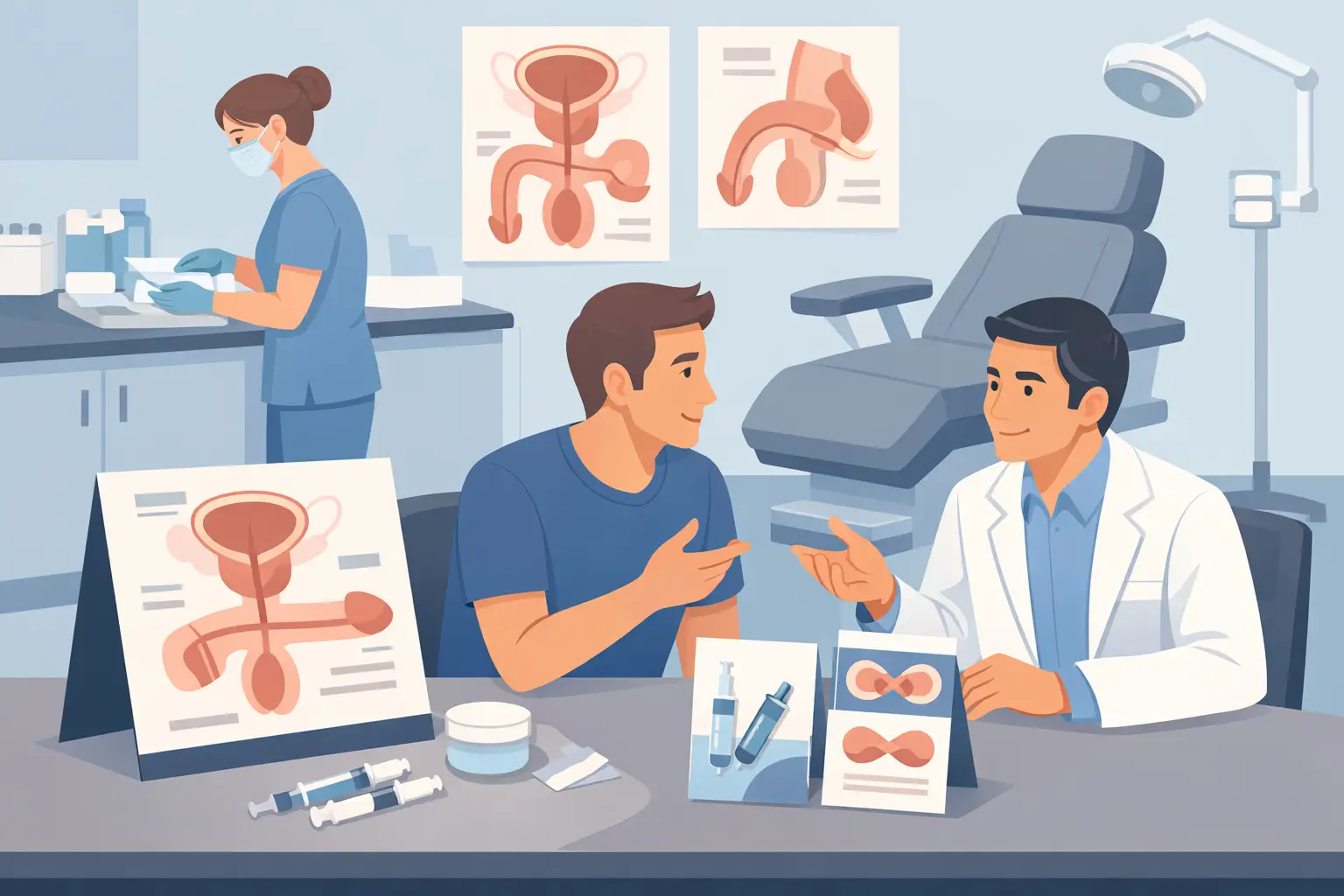
Follow-up after varicocele surgery should cover wound healing, pain control, testicular examination and the plan for having a child together. Knowing only that “the operation went well” is not enough from an infertility perspective. Especially for couples who have been unable to conceive for a long time, it is important that semen analyses are done on time and that, when necessary, coordination is established with the relevant specialties regarding assisted reproductive techniques.
In the approach of Assoc. Prof. Dr. Uygar Miçooğulları, microsurgical varicocele treatment is planned by evaluating the patient's examination findings, ultrasound results, sperm parameters and the couple's pregnancy goal together. Direct communication and regular check-ups after surgery ensure that the patient's questions during recovery are answered in a timely manner.
The time you allow yourself during recovery is a natural part of treatment. Following the activity restrictions you are given, keeping your follow-up appointments and getting in touch when an unexpected symptom occurs are the right steps both for a confident return to daily life and for sound monitoring of your fertility goal.