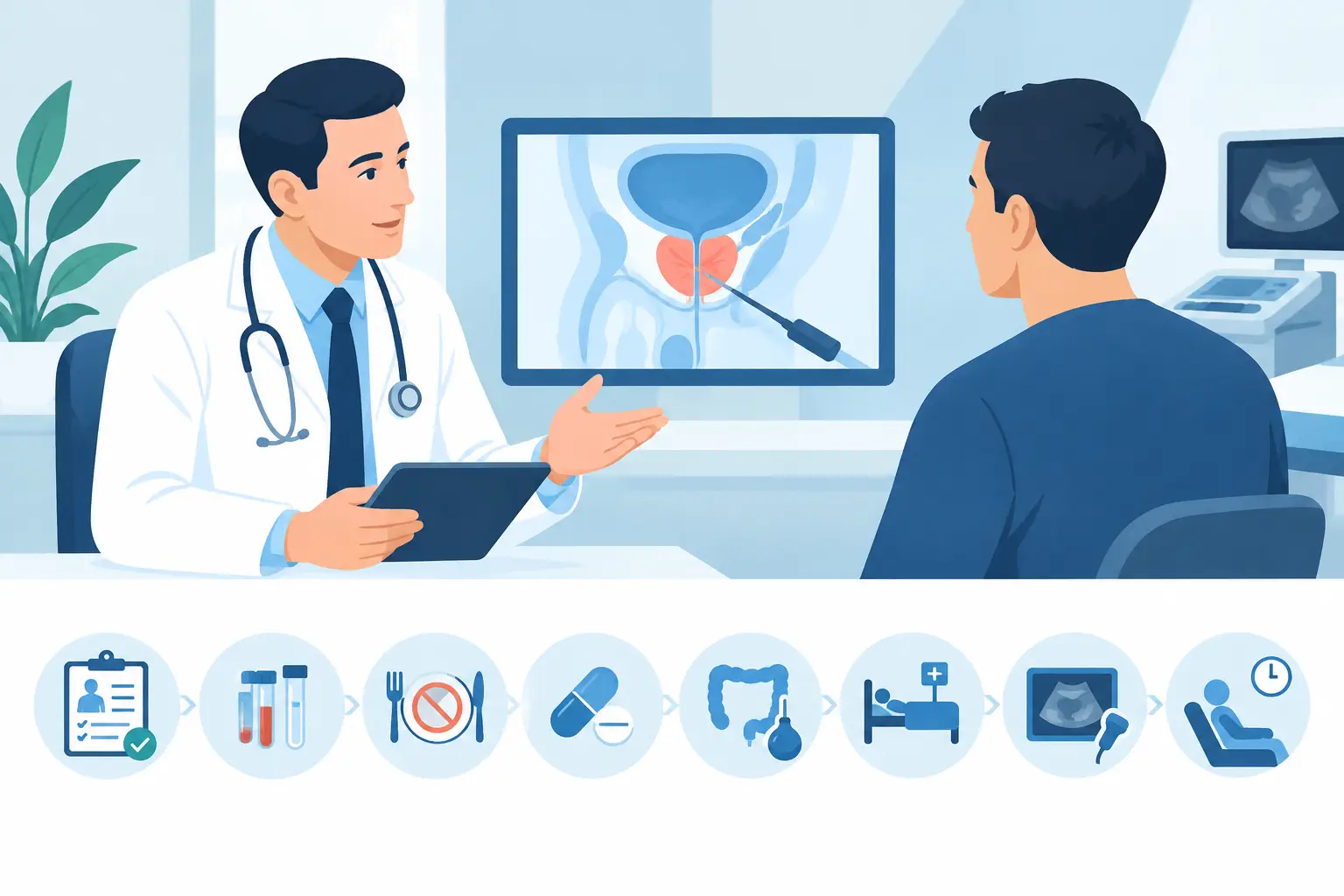
When a biopsy is recommended because of an elevated PSA, a suspicious area detected on digital rectal examination of the prostate or findings on prostate MRI, patients' first question is usually about the preparation process rather than the procedure itself. Preparation for a prostate biopsy is important for the safety of the procedure and the diagnostic value of the samples to be taken. However, because each patient's medications, infection risk, diabetes status and the biopsy technique to be used are different, the preparation plan must be individualized.
A prostate biopsy involves taking samples from prostate tissue with fine needles and examining these samples in a pathology laboratory. The aim is to clarify the suspicion of cancer, to determine the characteristics of the disease if necessary, and to base the subsequent treatment decision on accurate data. Especially in MRI-fusion biopsies performed after multiparametric prostate MRI, targeted sampling can be taken from suspicious areas.
The First Step in Preparing for a Prostate Biopsy: Your Medications
Before the biopsy, your physician should know all the medications you use regularly in detail. This information is needed not only for blood thinners but also for medications for blood pressure, diabetes, heart rhythm, rheumatic diseases or the immune system. It is helpful to bring your medication boxes, an up-to-date medication list or your e-Nabız records to the examination.
1. Do not stop blood thinners on your own
Aspirin, clopidogrel, warfarin, apixaban, rivaroxaban, dabigatran and similar medications can increase the risk of bleeding after a biopsy. On the other hand, stopping these medications in an uncontrolled way can lead to serious consequences such as heart attack, stroke, stent blockage or blood clot formation.
For this reason, whether the medications should be paused and, if so, how many days before they should be stopped should be decided jointly by your urologist and the cardiology, neurology or internal medicine specialist who prescribed the medication. While some patients need their medication adjusted, in some cases the procedure can be planned without changing the current treatment. The decision is based on balancing the risk of bleeding against the risk of clotting.
2. Your diabetes medication and insulin plan should be clear
If fasting is required before the biopsy, the medication dose should be planned separately, especially for patients using insulin or oral diabetes medication. Taking the routine dose while fasting can cause low blood sugar. On the other hand, high blood sugar can also negatively affect the risk of infection and the healing process.
You should be given a personalized plan based on the time of your procedure, your fasting requirement and the treatment you use. On the day of the biopsy, it may be practical to have a blood glucose meter, the necessary medications and a light snack you can eat after the procedure with you.
The Biopsy Technique Changes the Details of Preparation
Prostate biopsies are most often performed via the transrectal or transperineal route. In a transrectal biopsy, samples are taken through the rectum, whereas in a transperineal biopsy, the needles are advanced into the prostate tissue through the skin area between the anus and the scrotum. The preparation, infection prevention strategy and anesthesia requirement are not the same for the two approaches.
3. Follow the antibiotic plan to prevent infection
Some patients are given a preventive antibiotic before the biopsy. The type of antibiotic, when to start it and how long to use it are determined by the biopsy method, the hospital's infection protocols, urinalysis results and the person's previous history of infection.
In particular, patients who have previously had a resistant urinary tract infection, have recently used antibiotics, have a urinary catheter or are receiving treatment that affects the immune system need to report this. In some centers, a rectal swab may be taken before a transrectal biopsy to check for resistant bacteria. Taking the antibiotic at the time and dose recommended by the physician is an important step in reducing the risk of infection.
4. A urinalysis and a check for active infection should be done
If you have complaints such as burning during urination, frequent urination, foul-smelling urine, chills or fever, be sure to share this before the procedure. In patients with an active urinary tract infection, the biopsy may be postponed and the infection treated first. When necessary, a urinalysis and urine culture are requested.
This approach is not a delay, but a safety measure. A biopsy performed before the infection is under control can increase the risk of a serious infection.
5. Bowel cleansing should only be done if recommended
In some patients scheduled for a transrectal biopsy, an enema or a specific bowel preparation may be recommended before the procedure. The aim is to reduce the stool load in the rectum and make the procedure area more suitable. Preparation may be different for a transperineal biopsy; for this reason, you should not apply advice previously given to someone else to yourself.
When the enema should be done, whether fasting is needed and how your regular medications should be taken should be communicated to you clearly, in writing or verbally. It is better to discuss any points you are unsure about with your team without waiting for the day of the procedure.
Practical Preparations for the Day of the Procedure
6. Find out the fasting period according to the anesthesia plan
The fasting rules for biopsies performed under local anesthesia may not be the same as those for biopsies performed under sedation or general anesthesia. Especially in patients for whom anesthesia is planned, food and drink are restricted for a certain period to reduce the risk of stomach contents entering the windpipe.
You may need to consume nothing, including water, after the time you are given, or a different period may be allowed for clear liquids. This detail should be clarified by the team performing the procedure and through the anesthesia evaluation. The instructions given to you take precedence over general information.
7. Plan comfortable clothing and a companion
After the biopsy, brief tenderness in the groin, mild dizziness or drowsiness due to anesthesia may occur. If sedation or general anesthesia has been used, driving on the same day is not safe. For this reason, if possible, arrange for a companion to take you home.
Choose comfortable clothes that are easy to put on and take off. Bring your ID, previous test results, your prostate MRI report and images, your up-to-date medication list and any written recommendations regarding blood thinner use. You may be asked to urinate before the procedure; for this reason, arriving at the center early allows you to go through the preparation process more calmly.
8. Plan for the pathology result and the follow-up consultation in advance
It is not realistic to expect a definitive interpretation of the pathology result on the day the biopsy is performed. The samples taken undergo special processing in the laboratory, and the time it takes for results varies by center. At the results consultation, not only the presence or absence of cancer is discussed but, if cancer is found, the grade of the tumor, its extent in the samples and any additional evaluations needed.
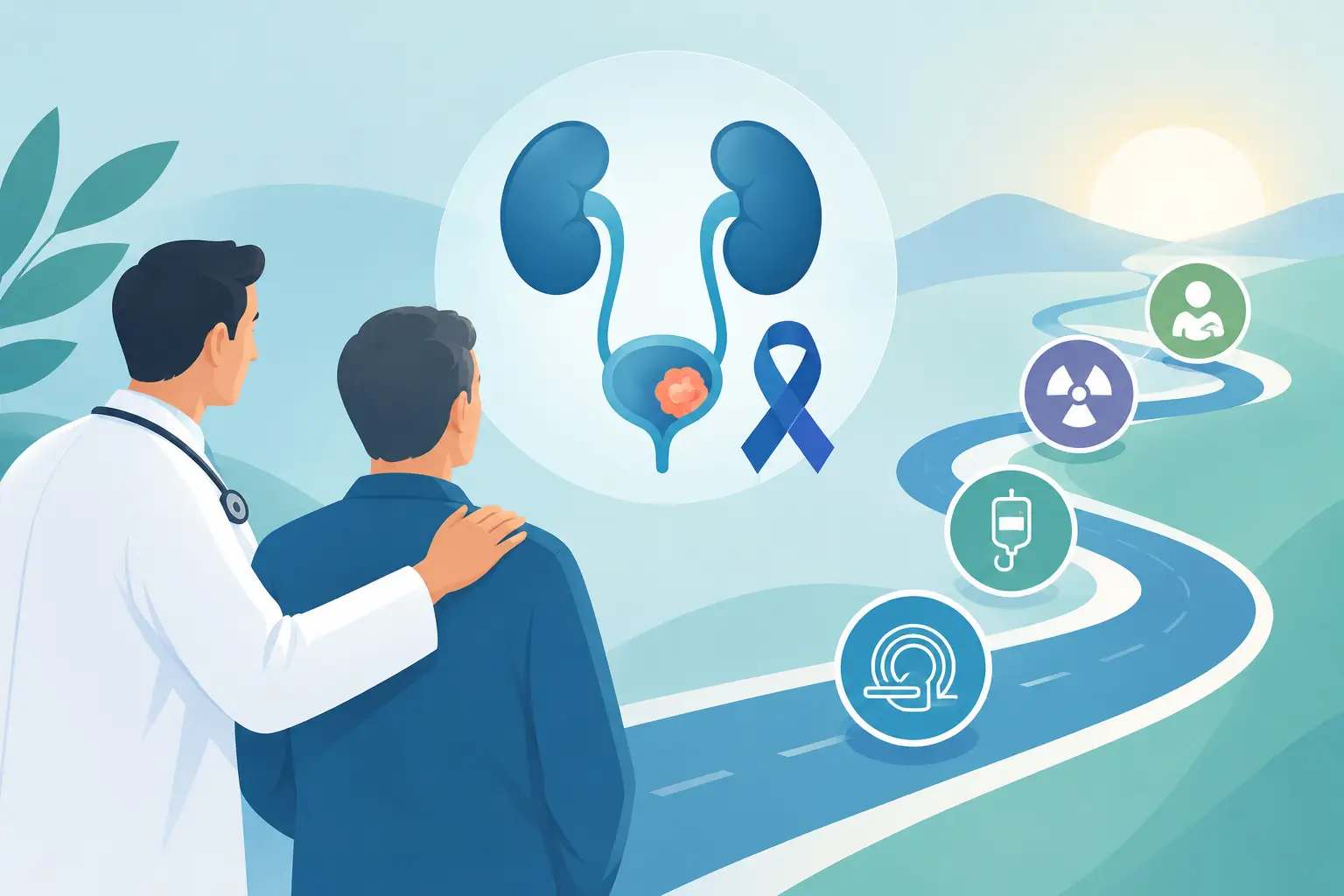
A cancer finding in the pathology result does not mean that the same treatment will be applied to every patient. Active surveillance, robotic or laparoscopic surgery, radiotherapy and other approaches are evaluated according to the risk group of the disease, age, general health, life expectancy and the person's priorities. As in the approach followed by Assoc. Prof. Dr. Uygar Miçooğulları, the foundation of the right treatment decision is a detailed evaluation and transparent communication with the patient.
What May Be Normal After a Biopsy, and Warning Signs
After the procedure, mild blood in the urine, brief bleeding in the stool or blood-tinged semen may occur. The change in semen color can sometimes last for a few weeks and is usually not a cause for concern. Drinking plenty of fluids, a controlled return to daily life unless your physician says otherwise, and regular use of the prescribed medications support the recovery process.
Nevertheless, findings such as a fever of 38 degrees Celsius or higher, chills and shivering, steadily increasing pain, inability to urinate, heavy bleeding or bleeding with clots, or marked weakness should not be left to wait. With these symptoms, the healthcare facility where the procedure was performed should be contacted without delay, or emergency evaluation should be sought. Fever in particular may be a sign of infection that should be taken seriously after a biopsy.
When preparing for a prostate biopsy, the safest approach is not to substitute general advice on the internet for your own medical situation and to follow the plan given to you completely. Share your questions openly before the procedure; proper preparation helps you get through the process more comfortably and helps obtain the information your physician needs to make the soundest decision.