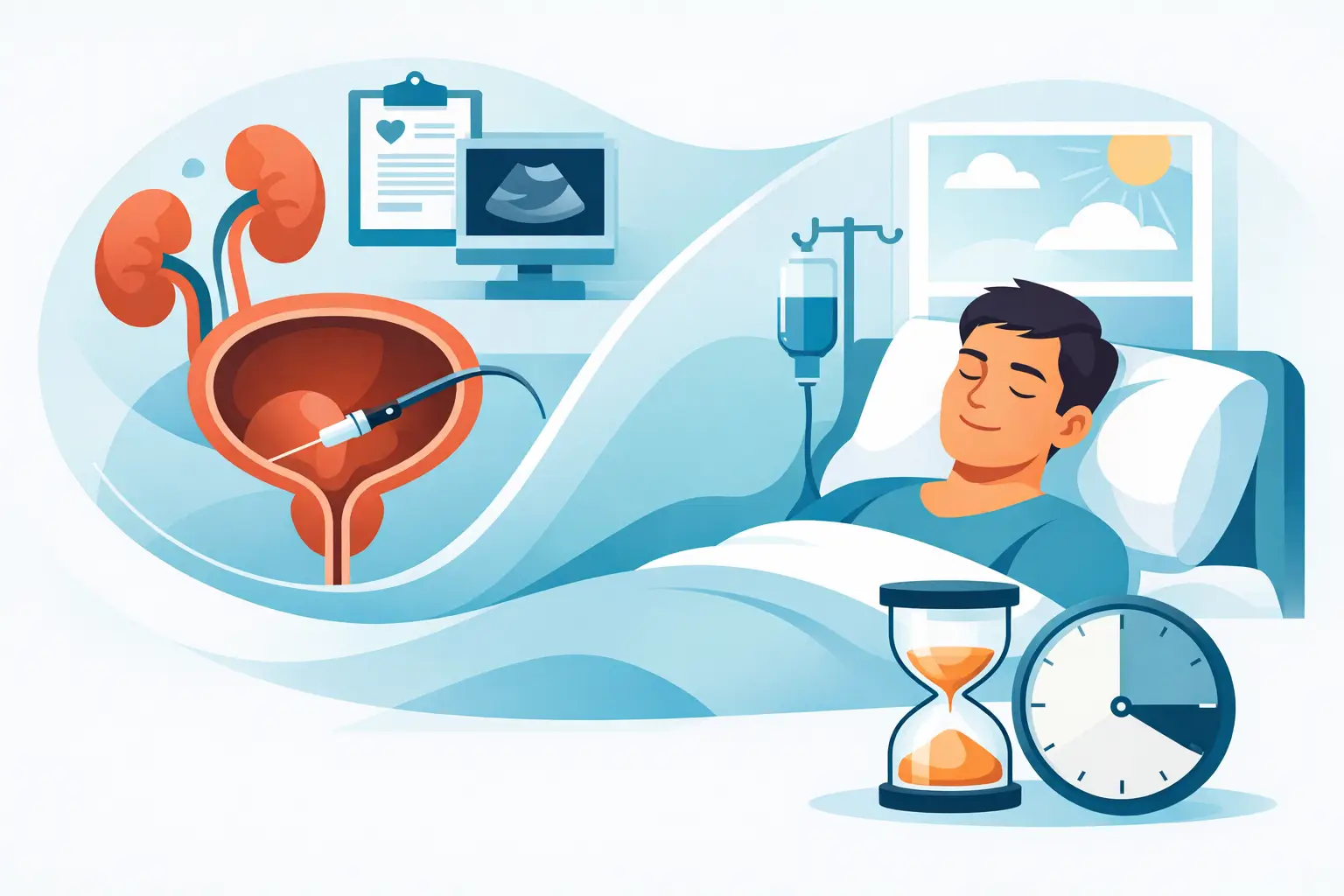
Recovery after HoLEP surgery is the period most patients are most curious about when deciding on surgery. Although a marked improvement in urine flow is usually noticed early, it takes time for the bladder to adapt to the new situation and for the surgical area to heal completely. For this reason, it is important to distinguish some complaints seen in the first days as normal signs of healing from situations that require a physician's evaluation.
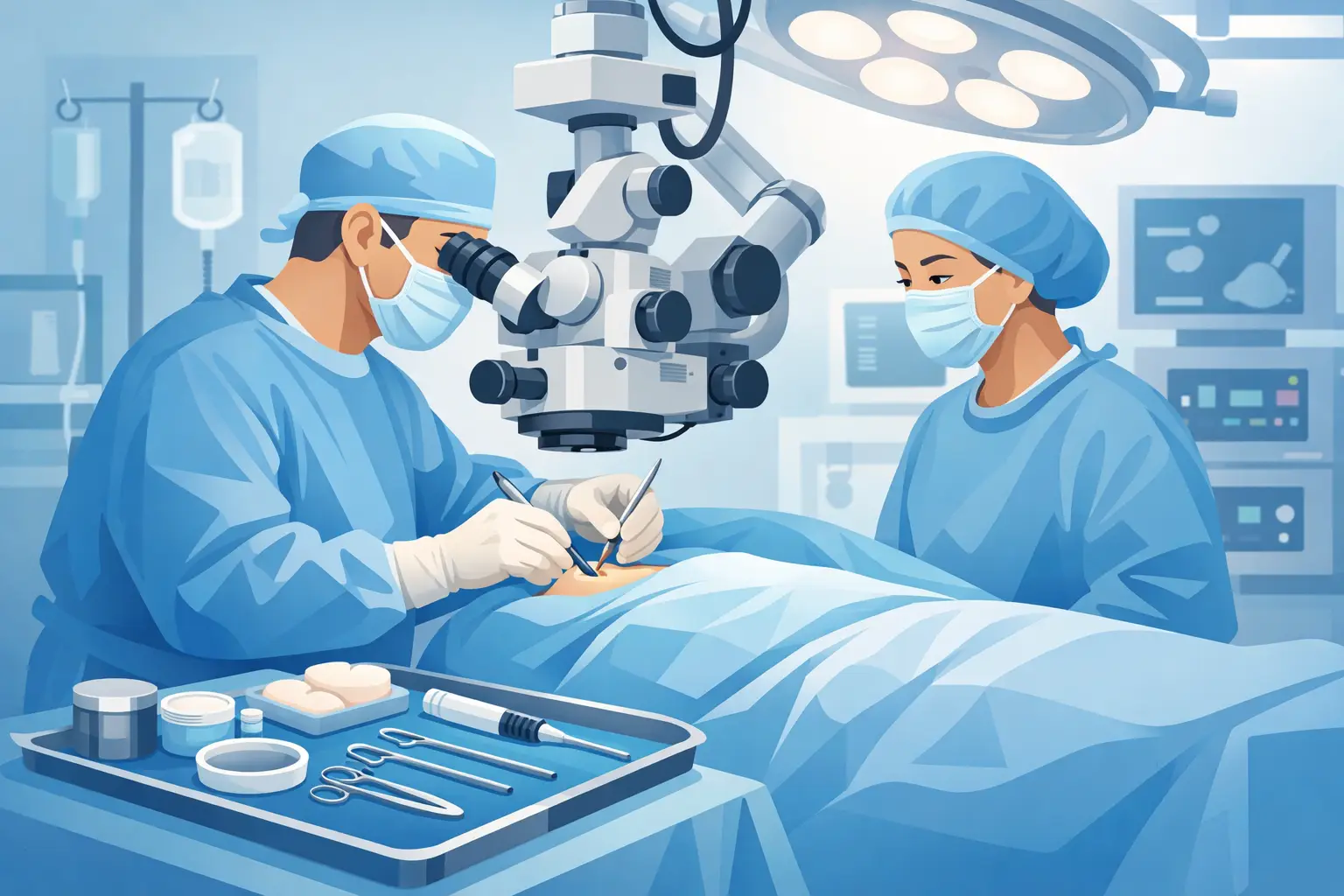
HoLEP is a minimally invasive method used in benign prostatic hyperplasia, in which prostate tissue is separated from its capsule and removed with a holmium laser. Its important advantages are that it requires fewer incisions than open surgery, offers strong bleeding control and can also be used for large prostates. However, as with any laser procedure, the recovery time may vary according to the size of the prostate, bladder function before surgery, blood-thinning medications used and the person's general health.
How does recovery progress after HoLEP surgery?
The urinary catheter placed in the bladder immediately after surgery helps urine and small clots from the surgical area drain safely. Urine coming from the catheter can be expected to look pink or reddish in the first hours. Bladder irrigation is performed when necessary; the catheter is removed when the urine color clears and the patient is able to urinate comfortably.
After the catheter is removed, burning during the first urinations, frequent urination, a sudden sense of urgency or brief difficulty holding urine may occur. Even though the prostate's obstruction of the urinary channel has been removed, the bladder, which has been working under strain for a long time, may not return to normal immediately. This adaptation period may be more pronounced especially in people who had severe urgency, frequent nighttime urination or urinary incontinence before surgery.
A significant proportion of patients are mobilized within a short time and discharged from hospital depending on their general condition. The discharge plan is prepared individually, based not only on urine color but on an assessment of the patient's pain level, additional diseases, medications used and ability to urinate adequately.
The first week: burning and mild bleeding may occur
Drinking plenty of water in the first days helps clear the urinary tract and reduce the formation of small clots. Unless you have heart or kidney disease for which your physician has recommended fluid restriction, adequate fluid intake spread throughout the day should be preferred. Light pink discoloration or small particles may be seen in the urine.
The burning sensation is mostly temporary. On the other hand, fever, chills, foul-smelling urine, increasing pain or inability to urinate may be signs of conditions such as infection or blockage by a clot. With these symptoms, the surgical team should be contacted without waiting.
In the first week, it is necessary to avoid heavy lifting, intense exercise, cycling and the inactivity that leads to constipation. Straining can trigger bleeding by increasing intra-abdominal pressure. A fiber-rich diet, adequate fluid intake and, if the physician considers it necessary, a stool softener make this period more comfortable.
Weeks two to six: the fluctuating phase of recovery
After HoLEP, the urine color may not remain completely clear for days. Especially after a lot of activity, long walks, constipation or sexual activity, slight blood may appear in the urine again. The reason is that superficial scabs detach as the surgical area heals. Most of the time it resolves by increasing fluid intake and resting.
During this period, some patients may feel that the strength of their urine stream has changed compared with the first days after surgery. This does not always indicate a problem. With the adaptation of the bladder muscle, the reduction of swelling and the healing of the wound surface, the flow gradually becomes more balanced. The course of the complaints should be evaluated at follow-up examinations.
Urinary incontinence is one of the topics that causes the most concern after HoLEP. In the first weeks, leakage in the form of dribbling may occur when coughing, standing up or during urgency. This condition is mostly temporary and improves with strengthening of the pelvic floor muscles. When and how Kegel exercises should be done should be explained by the physician according to the patient's condition. If the leakage is continuous or increasing, the follow-up plan is reviewed.
When to return to daily life and work
Patients with desk jobs can usually return to their daily routines within a short time once they feel well. For jobs requiring physical strength, a more cautious plan is needed. For heavy lifting, long journeys, intense sports and strenuous housework, it is generally safer to wait a few weeks.
Driving can be planned after the effect of painkillers has worn off and the patient feels comfortable with sudden movements. On long journeys, it is helpful to take frequent breaks, not neglect water intake and avoid remaining inactive for long periods. The time to resume sexual intercourse is also determined according to individual recovery; in most patients it is started on the physician's advice after bleeding and tenderness have completely subsided.
After HoLEP surgery, retrograde ejaculation, meaning a reduced amount of ejaculate or semen flowing back into the bladder, may occur. This does not mean that the sensation of orgasm will necessarily be lost; however, it is an outcome that must be discussed in detail before surgery for patients who plan to have children. Erectile function, on the other hand, may be affected by age, vascular health, sexual function before surgery and accompanying diseases.
Why should medications and follow-up not be neglected?
Antibiotics, painkillers or bladder-relaxing medications prescribed after discharge should be used only at the recommended dose and for the recommended duration. In particular, patients who use aspirin, blood thinners or herbal supplements should not decide on their own when to restart these products. Balancing the risk of bleeding against the risk of clotting is done according to the patient's cardiology and urology evaluation.
Follow-up examinations are not only for checking wound healing. Urine flow, the amount of urine remaining in the bladder, signs of infection and the pathology result are evaluated together. The prostate tissue removed with HoLEP is sent for pathological examination; although rare, the detection of unexpected cellular findings can change the subsequent follow-up approach.
In the approach of Assoc. Prof. Dr. Uygar Miçooğulları, HoLEP planning is not limited to the surgical technique. The postoperative follow-up plan is created by considering together prostate volume, the severity of urinary complaints, bladder function, blood thinner use and the patient's life expectations.
Which symptoms require urgent evaluation?
A complete stop in urination, heavy bright red bleeding or passing large clots, a fever of 38 °C or higher, chills, severe groin or abdominal pain, shortness of breath or chest pain are not considered part of the normal recovery process. If any of these symptoms develops, the patient needs to contact the surgical team or the nearest emergency health unit immediately.
Milder burning, urgency, foul-smelling urine, increasing leakage or marked fatigue that does not subside within days also require a check-up. Early evaluation allows problems such as infection, bladder irritation or medication side effects to be managed before they grow.
Frequently asked question: when is recovery complete?
Many patients feel that they urinate more comfortably within the first weeks; however, complete tissue healing and bladder adaptation take about 4-6 weeks in most people. The process may be longer in those with very large prostates, people who have used a catheter for a long time or patients whose bladder muscle has weakened. The goal is not only a quick discharge, but a strong urine stream and a long-lasting improvement in quality of life in the long term.
During recovery, monitor the signals your body gives you, do not postpone the recommended check-ups and contact your team about any symptom you are unsure of. Proper follow-up is the most valuable part of turning the relief provided by HoLEP into a safe and long-lasting result.