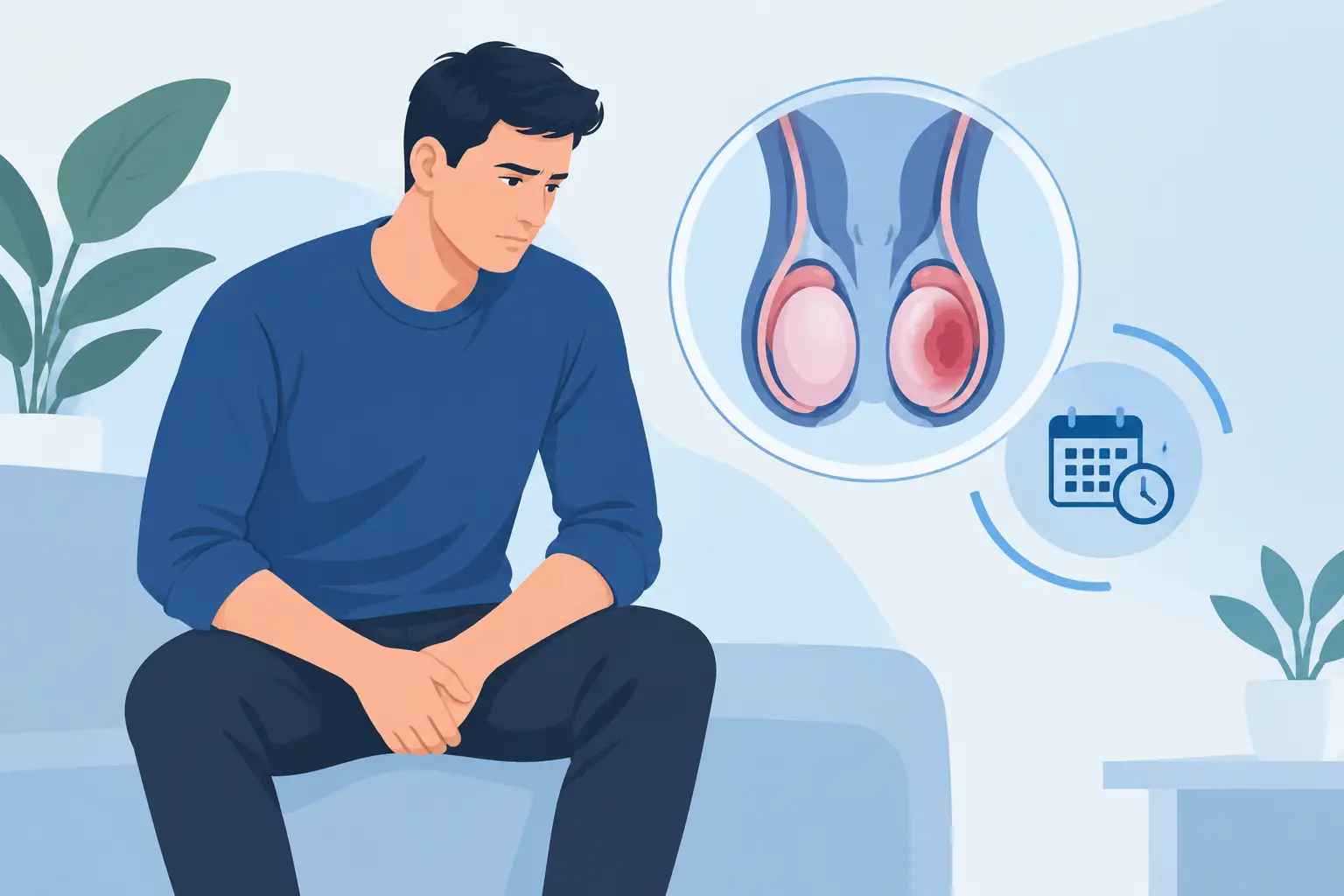

Not seeing the expected improvement in the first semen analysis after varicocele surgery can cause unnecessary worry for couples. Yet sperm monitoring after varicocele surgery is a planned process that evaluates the sperm production cycle, preoperative values, the partner's age and pregnancy plans together, rather than relying on a single test result. The aim is not only for the numbers to rise; it is to determine the chances of natural pregnancy and, if necessary, to turn to assisted reproductive treatment at the most appropriate time.
A varicocele occurs when the veins around the testicle become enlarged. In some men it can cause pain and a decrease in testicular volume, and in couples hoping to have children it can have a negative effect on sperm count, motility and morphology. In suitable patients, microsurgical varicocelectomy aims to treat the problematic veins while preserving the testicle's blood supply. However, the success of the operation should be measured not only by how one feels in the early postoperative period but by regular clinical evaluation and semen analysis results.
When does sperm monitoring start after varicocele surgery?
A sperm test done in the first days or weeks after surgery does not show the effect of treatment. The main reason is that sperm production takes about 74 days, after which the sperm go through a process of maturation and transport. For this reason, it takes time for newly produced sperm to appear meaningfully in the ejaculate.
In clinical practice, the first follow-up semen analysis is usually planned about 3 months after surgery. If the result shows a trend toward improvement, it can be re-evaluated at 6 months. In some patients, check-ups at 9 and 12 months are also meaningful. Especially in men whose sperm count was very low before surgery, whose motility was markedly reduced or who were evaluated for azoospermia, the follow-up plan is closer and more individualized.
These intervals are not a fixed schedule. Preoperative sperm parameters, the grade of the varicocele, testicular volume, hormonal findings, the need for genetic testing and the couple's timeline change the follow-up intervals. If the partner is older or a female factor is also present, it may be more appropriate for the urology and IVF teams to act in coordination rather than simply waiting.
Why is proper preparation needed before a semen analysis?
Semen analysis is a test that can be affected by daily life conditions. A febrile illness, intense stress, lack of sleep, some recently used medications, smoking, heavy alcohol consumption and the conditions under which the sample is given can change the results. For this reason, repeating the test under conditions that are as similar as possible makes it easier to see the true trend.
Sexual abstinence of 2 to 7 days is usually recommended before the sample. It is important that the abstinence period is similar for each test. The sample should be collected according to the laboratory's instructions and analyzed without delay. It is not correct to reach a lasting conclusion from a single abnormal test result; results should be interpreted together with the clinical examination and previous tests.
Which values are assessed in sperm monitoring?
A semen analysis is not just about sperm count. In the physician's evaluation, semen volume, sperm concentration, total sperm count, the proportion of progressively motile sperm, total motility and sperm morphology are considered together. In some cases, vitality, the presence of white blood cells, sperm DNA damage or hormone tests may also be helpful.
For example, even if the increase in sperm count seems sufficient on its own, motility may remain low. Conversely, even if the count increases only to a limited extent, an improvement in the number of progressively motile sperm may be clinically valuable for natural pregnancy or IUI. For this reason, rather than focusing only on a line marked in red on the laboratory report, patients should discuss the overall picture with their physician.
In follow-up, the total motile sperm count in particular can be used to determine the couple's next step. This value is assessed by calculating sperm concentration, semen volume and motility together. However, which value is considered sufficient for natural pregnancy, IUI or IVF varies with the female partner's age, ovarian reserve, the condition of the fallopian tubes and the duration of infertility.
How much change can be expected after surgery?
After microsurgical varicocelectomy, improvement in sperm parameters can be seen in many patients; however, change is not expected at the same rate and speed in every patient. The initial sperm production capacity, the condition of the testicular tissue, whether the varicocele has been present for a long time and accompanying causes affect the outcome.
Seeing limited improvement in the first 3 months does not mean the treatment has failed. In some patients, a more marked increase in motility or count may be detected at 6 months. On the other hand, even if the parameters do not reach the desired level, varicocele treatment may provide benefit in terms of sperm DNA integrity or the quality of sperm to be used in assisted reproductive techniques. This possibility is not the same for every couple and should be evaluated realistically based on laboratory results.
In azoospermia, that is, the absence of sperm in the semen, the approach is different. In some suitable patients, there may be a chance of sperm appearing in the semen after varicocele surgery; however, this is not guaranteed. Hormone tests, testicular size, genetic evaluation and, if necessary, sperm retrieval options such as micro-TESE should be planned in detail by an andrology specialist.
What is done if the results do not improve?
When sufficient improvement is not seen in follow-up semen analyses, it is first confirmed that the test was performed under the right conditions and that the results have been repeated. Then a persistent varicocele, hormonal problems, infection or inflammatory findings, metabolic diseases, medication use and lifestyle factors are reviewed. When necessary, scrotal Doppler ultrasound, hormone analysis and advanced andrological tests may be requested.
At this stage, two extreme approaches should be avoided: it is neither right to give up hope at the first negative result nor to wait a long time while ignoring the couple's time factor. Especially if the female partner is over 35 or the duration of infertility is long, an opinion on IUI or IVF options can be obtained at the same time as sperm monitoring continues. In this way, the couple's reproductive plan is not delayed while possible improvement after surgery is awaited.
Lifestyle support during the follow-up period
Surgery is not the only factor affecting sperm quality. Quitting smoking, limiting alcohol consumption, moving toward a healthy weight, regular sleep and a balanced diet are basic steps that support sperm production. Reducing habits that expose the testicles to high heat for long periods may also be recommended. Factors such as frequent sauna use, staying in hot environments for long periods and using a laptop directly on the lap for long periods can be addressed in this context.
Antioxidant supplements may be considered for some patients; however, it is not right to recommend the same product to every patient. Unnecessary or uncontrolled supplements can both create costs and delay the evaluation of the underlying problem. Vitamin, mineral or medication support should be arranged on a physician's recommendation according to blood tests, dietary habits and sperm parameters.
The surgeon's recommendations should be followed regarding return to sexual activity and physical activity after surgery. In most patients, the return to daily life is quick, but the recommended period for strenuous exercise, lifting and sexual activity may vary according to individual recovery. If increasing pain, marked swelling, redness, fever or discharge from the wound develops, a physician should be consulted without waiting for the scheduled check-up.
The follow-up plan should be built around the couple's goal
Successful follow-up after varicocele surgery is not a process that only tracks laboratory values. How long the couple has been trying to conceive, the female partner's evaluation, previous pregnancy history and preferences directly affect the treatment decision. For this reason, in the andrology approach, the male factor should not be considered separately from the couple's shared goal.
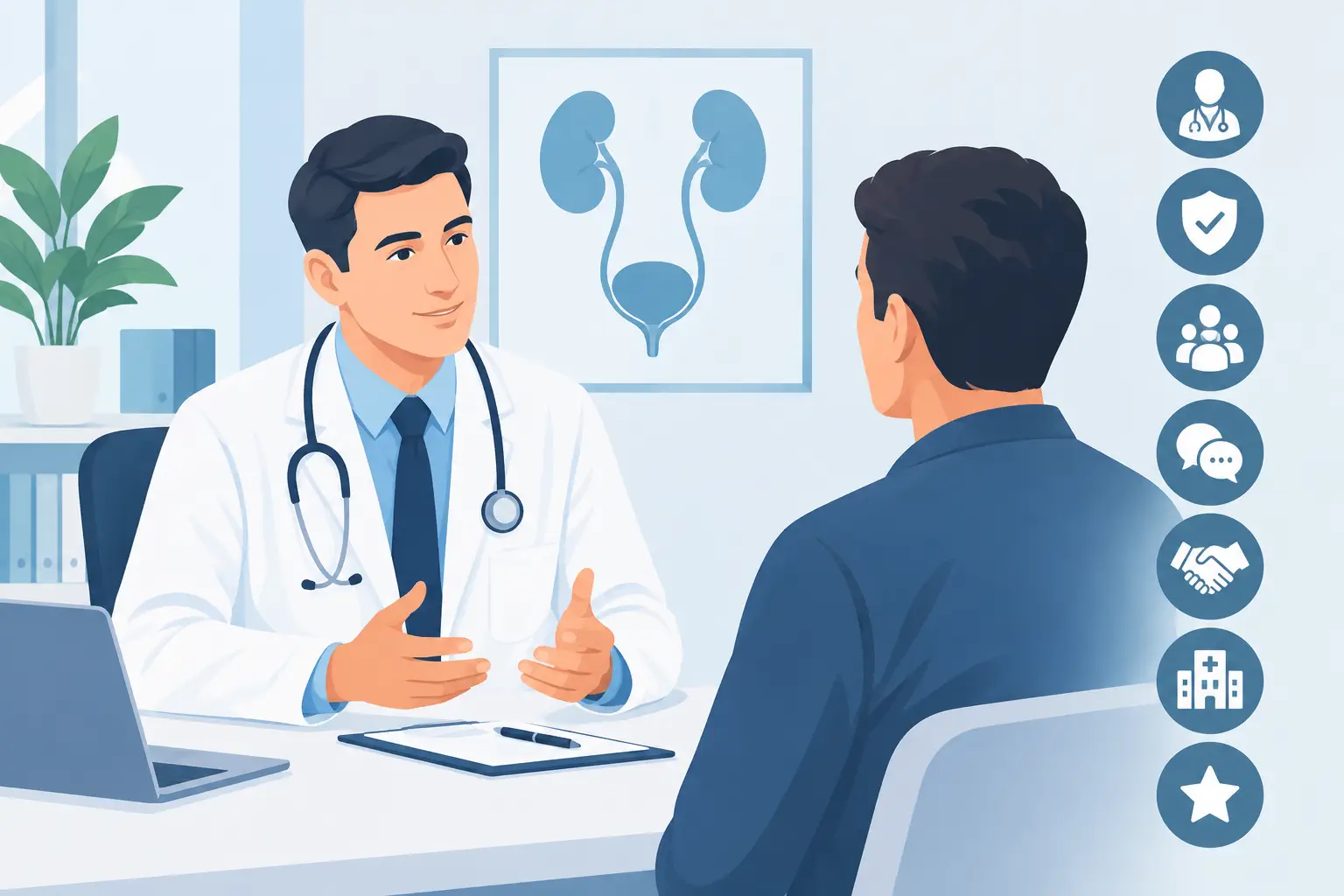
In the andrology approach of Assoc. Prof. Dr. Uygar Miçooğulları, check-ups after microsurgical varicocele treatment are tailored to the individual by considering the examination, semen analysis, hormonal evaluation when necessary and the couple's reproductive plan together. The aim is to create an evidence-based, achievable roadmap without prolonging uncertainty.
Changes in sperm values take time; tests done at the right time and a specialist evaluation help you manage this time more safely. If you are planning to have children, do not postpone your postoperative check-up schedule, and plan an andrology consultation that will evaluate your results as a couple.