
When the process of having a child takes longer than expected, the evaluation should not be carried out only through the female partner. Male infertility is a condition that may play a role, alone or together with female factors, in about half of couples, and once diagnosed it can often be managed. The right approach in this process is not to look at a semen analysis and reach a quick judgment, but to systematically investigate the source of the problem and create a suitable roadmap for the couple.
Infertility is defined as the failure to achieve pregnancy within one year despite regular, unprotected sexual intercourse. If the female partner is over 35, or if the man has a known varicocele, a history of undescended testicle, testicular surgery, chemotherapy, sexual dysfunction or an abnormal semen analysis, it is appropriate to start the evaluation earlier. Timing is important; however, this does not mean that hasty, incomplete investigations should be carried out.
What causes male infertility?
Male reproductive health depends on many interrelated steps, such as sperm production in the testicles, hormonal balance, patency of the sperm ducts, ejaculatory function and the genetic structure of sperm. For this reason, the same semen analysis result may point to different causes in different men.
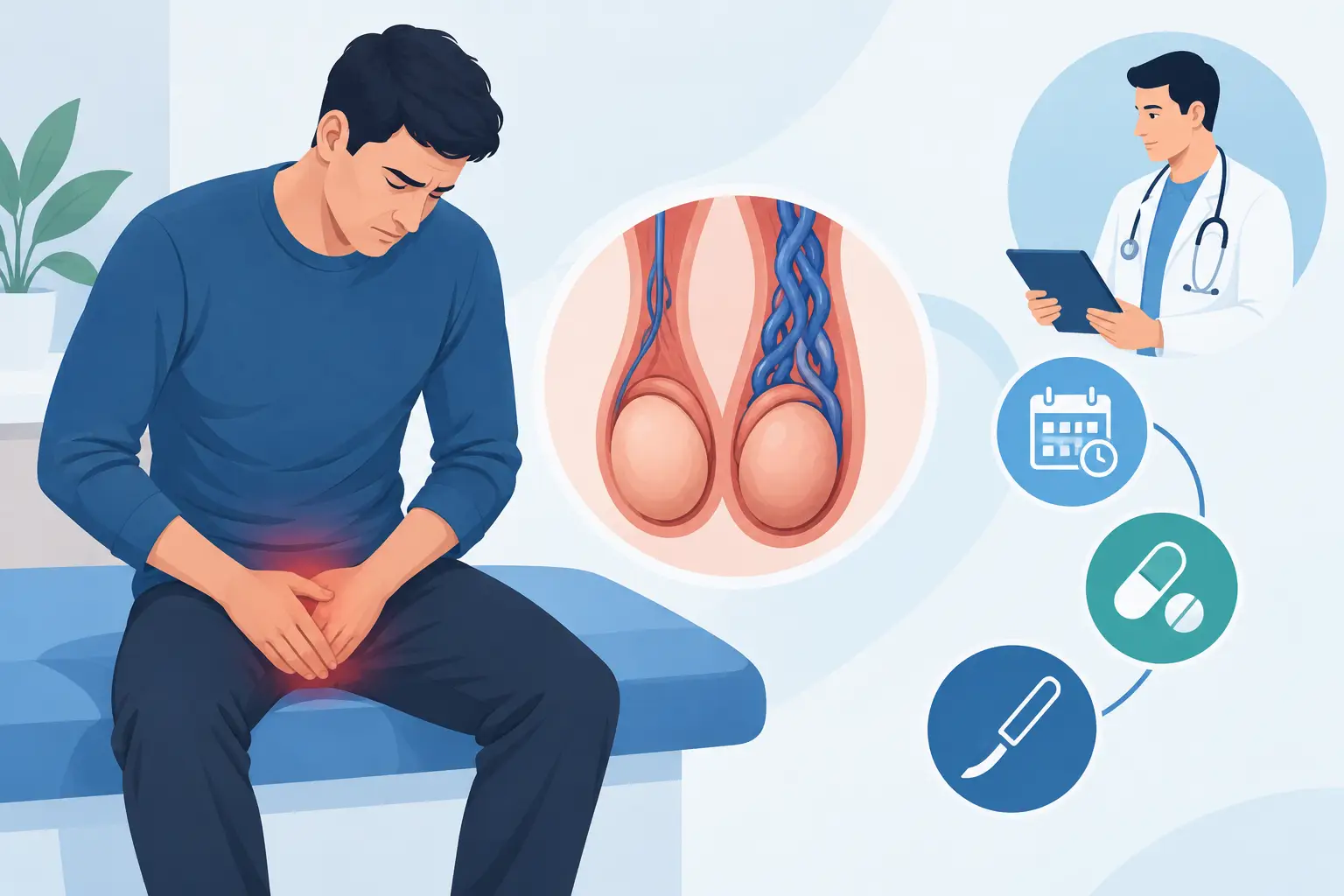
One of the most common causes is varicocele. Varicocele, which occurs due to enlargement of the veins around the testicle, can affect testicular temperature and blood circulation and have a negative effect on sperm count, motility and shape. Not every varicocele requires treatment. However, treatment is considered in patients in whom a significant varicocele is detected on examination, sperm parameters are impaired and there is a desire to have children.
Sperm production disorders are another important group. Previous mumps orchitis, undescended testicle, testicular trauma, certain genetic conditions, radiotherapy or chemotherapy, illnesses with high fever and hormonal disorders can affect sperm production. In some men, sperm is produced but there is a blockage in the ducts that carry sperm. Conditions after vasectomy, previous infections or congenital absence of the ducts can cause this picture.
Smoking, heavy alcohol use, anabolic steroids, uncontrolled weight gain, exposure to excessively hot environments and certain medications can also negatively affect sperm quality. On the other hand, it is not correct to attribute every sperm abnormality solely to lifestyle. Although improvements in diet and habits are valuable, they are not a substitute for treating structural causes such as varicocele, duct blockage or hormonal deficiency.
How is male infertility diagnosed?
The evaluation begins with a detailed consultation. Previous surgeries, childhood illnesses, febrile infections, medications used, occupational exposures, sexual intercourse and ejaculation patterns, and any family history of genetic disease are asked about. During the examination, testicular volume, the presence of varicocele, and findings related to the epididymis and sperm ducts are evaluated.
The basic laboratory test for diagnosis is the semen analysis (spermiogram). This test evaluates semen volume as well as sperm count, motility and morphology. However, a single semen analysis should not be seen as a definitive result. Sample collection conditions, a recent febrile illness, stress and laboratory variables can affect the result. Especially with abnormal results, repeating the test after an appropriate interval allows a more reliable interpretation.
Depending on the nature of the abnormality in the semen analysis, hormone tests, scrotal color Doppler ultrasonography, genetic tests, infection evaluation or advanced sperm tests may be planned. When no sperm at all is seen in the semen, a condition called azoospermia, it is critically important to distinguish a production disorder from a duct blockage. This is because the treatment option and the need for microsurgical sperm retrieval change according to this distinction.
Which values are evaluated in a semen analysis?
Sperm count alone does not explain fertility potential. Sperm with low motility may have difficulty reaching the egg; significant abnormalities in morphology may affect the fertilization process. Semen volume, vitality, round cells and, when necessary, DNA damage are also evaluated together with the clinical picture.
The aim here is not to label a test result as “good” or “bad.” The same result should be considered together with how long the couple has been trying to conceive, the female partner's age and her ovarian reserve. For some couples, follow-up and lifestyle adjustments may be sufficient for natural pregnancy, while for others it may be more appropriate to move to assisted reproductive techniques without losing time.
Treatment is determined by the cause and the couple's timeline
In male infertility, the same medication, vitamin or surgical approach is not applied to everyone. The treatment decision is made by taking into account the identified cause, the level of the sperm parameters, the female partner's age, accompanying health problems and the couple's previous treatment experiences.
In selected patients with a detected hormonal deficiency, hormone-regulating treatments may support sperm production. However, contrary to popular belief, external testosterone use can suppress sperm production. Men who wish to have children should not continue using testosterone or anabolic steroids without a physician's evaluation.
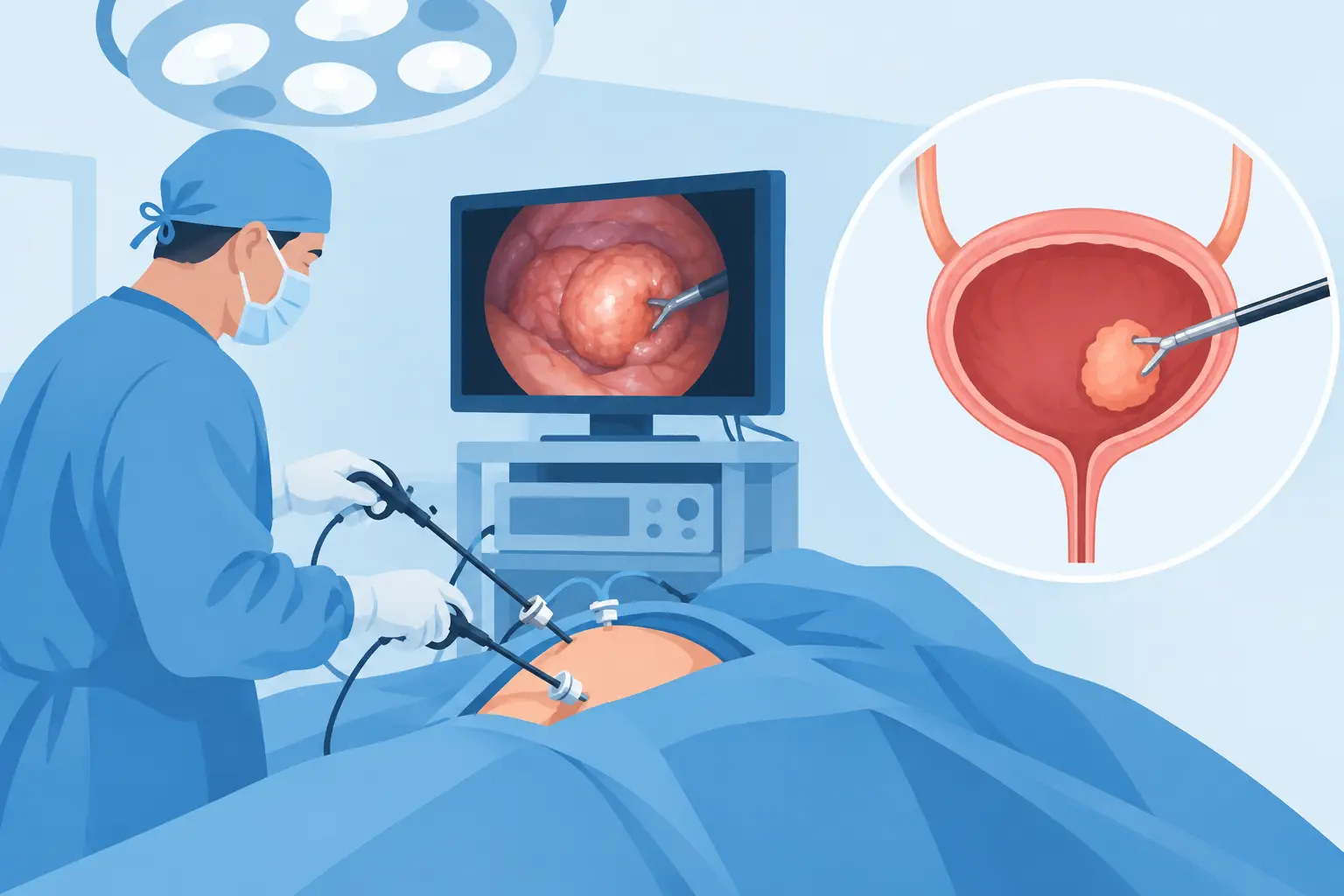
For varicocele in suitable patients, microsurgical varicocelectomy is an effective option that focuses on preserving the arteries and lymphatic structures that supply the testicle. Working under magnification in the microsurgical approach helps the vessels to be selected in more detail. The aim is not only to eliminate the varicocele but also to improve sperm parameters and increase the likelihood of pregnancy. Nevertheless, results vary from person to person; in couples with severe sperm production disorders or additional female factors, assisted reproductive treatment may still be needed after surgery.
In some patients with no sperm in the semen, the micro-TESE method comes into consideration. Based on searching for areas of sperm production in the testicular tissue under a microscope, this method can increase the chance of retrieving sperm, especially in azoospermia due to a production disorder. The retrieved sperm can be used in IVF procedures under suitable conditions. In suitable cases where a duct blockage is detected, microsurgical options aimed at repairing the blockage may be considered.
How effective are lifestyle changes?
Because the sperm development cycle takes about three months, the effect of the adjustments made is not seen immediately. Quitting smoking, moving toward a healthy body weight, regular sleep, a balanced diet and reducing exposure to excessive heat can provide meaningful support for sperm health. Situations that raise testicular temperature, such as using a laptop on the lap for long periods or frequent sauna or hot bath habits, can also be reviewed.
Although antioxidant-containing supplements may be considered in some patients, they are not treatments that eliminate the underlying problem. In particular, products with unclear contents recommended on social media can lead to lost time and unnecessary costs. Every supplement should be evaluated by a physician together with the medications used and existing conditions.
When should you see a urology and andrology specialist?
If pregnancy has not occurred after a year of unprotected intercourse, evaluation should begin as a couple. If there is a known varicocele, small testicles, testicular pain, a history of undescended testicle or genital surgery, ejaculation problems, erectile dysfunction, a history of chemotherapy or an abnormality in the semen analysis, an earlier visit is necessary.
Delaying a visit due to privacy concerns is common. However, male infertility should be approached not as a personal inadequacy, but as a medical condition that may require diagnosis and treatment. In the approach of Assoc. Prof. Dr. Uygar Miçooğulları, detailed evaluation, microsurgical experience and close follow-up after treatment help couples manage the process more predictably.
The most valuable step on the path to having a child is to have the right evaluation at the right time instead of trying random treatments. An examination planned specifically for you can both prevent unnecessary waiting and help you see the available options more clearly.