There is no single answer to the question of when varicocele pain goes away. In some men, a mild dull ache that appears after standing for a long time, exercise or being active all day eases with rest on the same day; in other patients, the pain may become persistent and affect daily life. The duration of the pain varies according to the grade of the varicocele, the extent of the vein enlargement, whether there is another accompanying problem and the treatment applied.
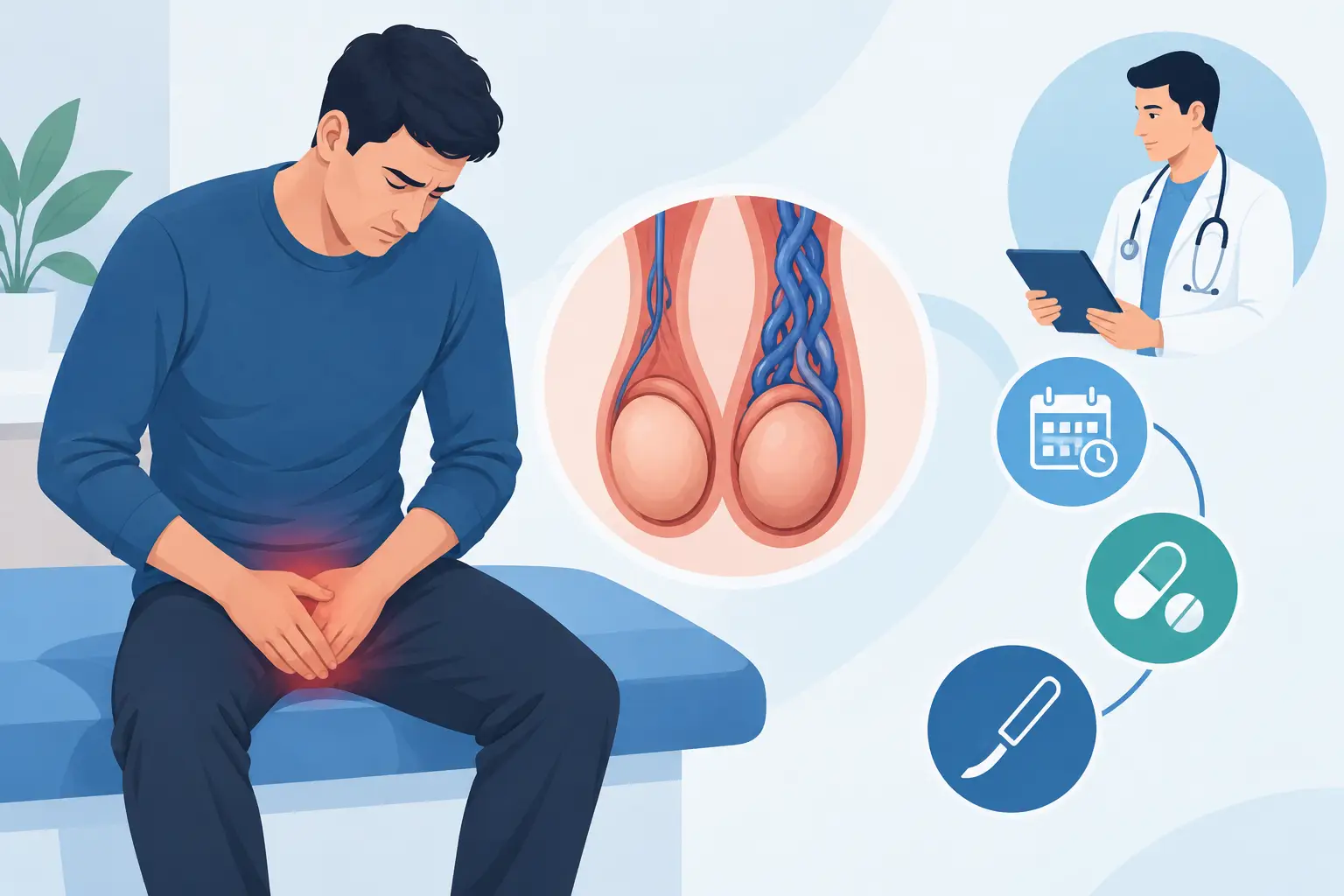
A varicocele is the backward pooling of blood that results when the valves in the veins surrounding the testicle do not work properly. It is most often seen on the left side. Not every varicocele causes pain; in fact, many patients discover the condition during an infertility evaluation. However, when pain starts, whether it is really due to the varicocele needs to be clarified through a specialist urological evaluation.
What does varicocele pain feel like?
Pain due to varicocele is usually a dull, dragging or heavy feeling rather than sudden, sharp and unbearable pain. It may be accompanied by a feeling of fullness in the scrotum, groin or testicle. It typically becomes more noticeable later in the day, after standing for a long time, lifting heavy objects or intense exercise. It also commonly eases when lying down and resting.
Although these features are helpful, it is not right to attribute every testicular pain to varicocele. Infections, inguinal hernia, kidney stones, cysts, trauma, hydrocele and, rarely, more serious testicular diseases can cause similar complaints. A detailed examination is especially important for pain that is new, one-sided and gradually worsening.
When does varicocele pain go away on its own?
With mild and intermittent complaints, the pain may subside within a few hours or within a day or two after the triggering activity ends. Wearing supportive underwear, short periods of rest and pain-relieving anti-inflammatory treatment deemed appropriate by the doctor can provide relief during this period. Preventing constipation, avoiding heavy lifting and temporarily reducing exercises that create high abdominal pressure can also be helpful.
That said, the enlargement of the veins is a structural problem. For this reason, the varicocele itself does not disappear with rest alone. If the pain recurs, lasts for several weeks or limits daily life despite medication and lifestyle changes, a re-evaluation is needed with regard to longer-term treatment options.
Another point affecting how long the pain lasts is whether the varicocele is really the main source of the pain. If the character of the pain does not fit despite a clear varicocele being found on examination, other causes are investigated before creating a treatment plan. This approach is valuable for avoiding unnecessary procedures and offering the right treatment to the right patient.
When does varicocele pain go away after surgery?
For patients for whom surgery is planned because of pain, or because of impaired sperm parameters and a goal of having a child, microsurgical varicocelectomy is one of the leading methods. Selectively ligating the veins under a microscope helps preserve the arteries supplying the testicle and the lymphatic structures. This technique is important for reducing the risk of complications and supporting treatment success.
In the first days after surgery, tenderness, mild swelling, tightness or a pulling sensation at the incision site can be considered normal. Most patients can return to light daily activities within the first week. Most of the pain usually decreases within 7-14 days; mild tenderness related to tissue healing may last a few more weeks.
Complete resolution of varicocele pain that has existed for a long time before surgery is a more variable process. While many patients experience clear relief within weeks, recovery may take longer in people with nerve sensitivity, an accompanying groin problem or a different source of pain. For this reason, postoperative follow-up visits are necessary not only to check the wound but also to monitor the course of the pain and testicular function.
Avoiding strenuous sports, weightlifting, cycling and demanding physical activities for the first two weeks supports recovery. The time to return to work should be planned according to the physical demands of the job. While a patient with a desk job can return earlier, people who do heavy physical work may need a longer rest.
When should you see a urologist without waiting?
Sudden and severe testicular pain is not the typical pain pattern of varicocele. Especially if it is accompanied by nausea and vomiting, the testicle being pulled upward, marked swelling or redness, emergencies such as testicular torsion need to be ruled out. In this situation, hours matter; waiting at home for the pain to pass is not right.
Fever, burning during urination, discharge or marked tenderness to touch may suggest infection. Swelling that grows after trauma, noticing a hard lump or a newly developed varicocele on the right side also require evaluation. A planned urological examination should not be neglected for pain that persists despite painkillers, wakes you up at night or impairs quality of life.
What can be done at home to reduce the pain?
Until a doctor's evaluation, choosing underwear that supports the scrotum without being too tight can reduce complaints. Taking short rest breaks on days when you will be standing for a long time, postponing strenuous exercise and drinking enough fluids can also be helpful. Cold application is soothing for some patients; however, ice should not be placed directly on the skin, and it should be applied for short periods over a protective cloth.
Over-the-counter painkillers are not suitable for everyone. People with stomach ulcers, kidney disease, blood thinner use or chronic illness should consult their doctor about the choice of medication. In addition, even if the pain has been suppressed, the cause of recurrent complaints needs to be investigated; temporary relief does not mean the underlying problem has been resolved.
Does varicocele pain affect sperm quality?
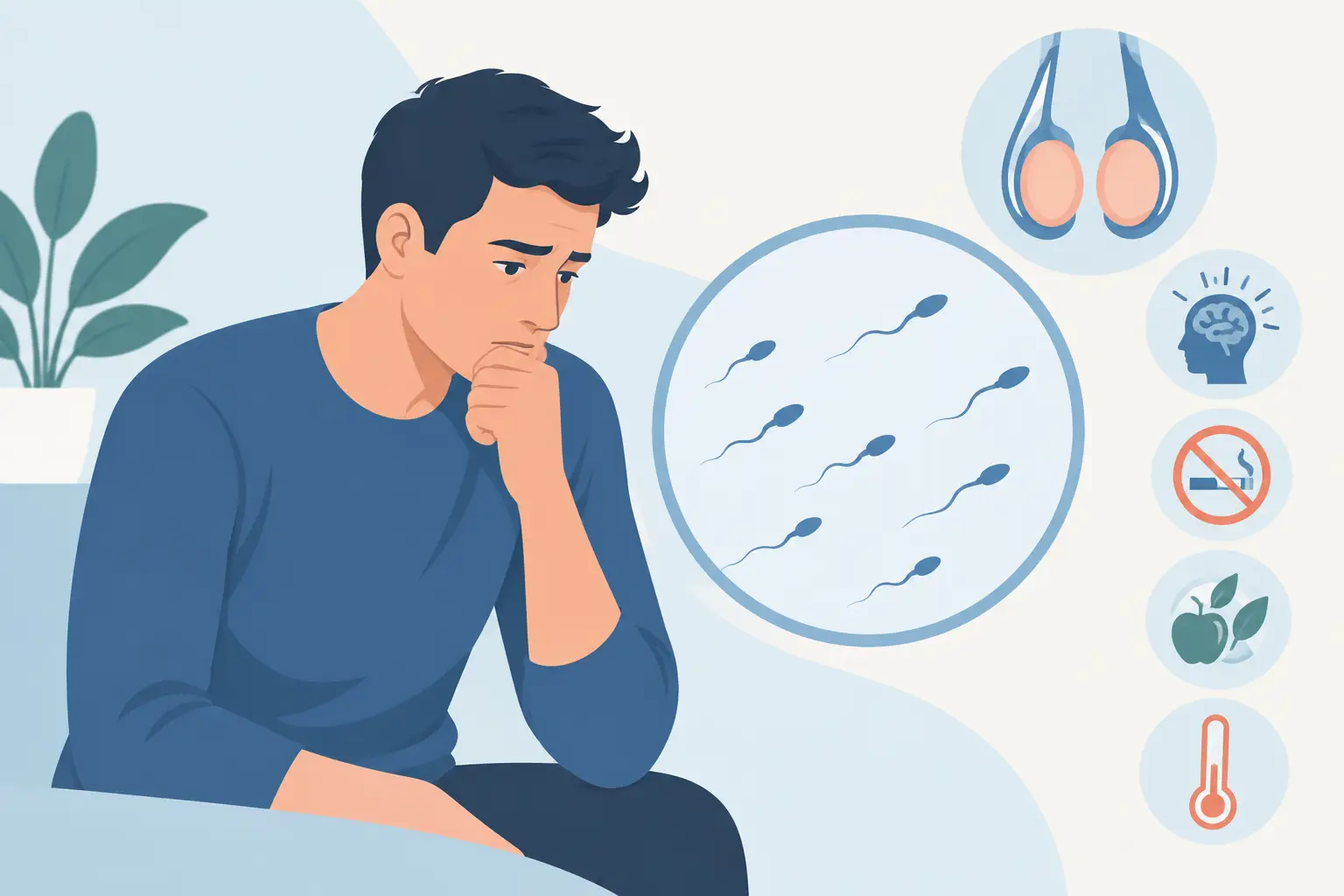
The severity of the pain and the impairment of sperm quality do not always go hand in hand. A varicocele that causes no pain can also have a negative effect on sperm count, motility or morphology. For couples planning to have a child, a personalized plan is made with semen analysis, testicular examination and, when necessary, hormone evaluation.
Will varicocele surgery definitely relieve the pain?
Surgery is an effective option for pain control in suitable patients; however, it should not be seen as a 100 percent guarantee. Carefully evaluating whether the pain is due to the varicocele, setting realistic expectations and choosing the appropriate technique, such as microsurgery, affect success. The decision to operate should be based not only on the ultrasound image but on examination findings, the characteristics of the pain, fertility goals and the patient's quality of life.
Testicular pain can be a private matter, but putting it off can delay the correct diagnosis. If your pain recurs or you plan to have a child, clarifying the follow-up or treatment path that suits you through a specialist urology and andrology evaluation is the safest way to reduce uncertainty.