When investigating the causes of a low sperm count, it is not right to reach a conclusion by looking at a single semen analysis. Sperm production is a dynamic process that takes about 74 days; a recent illness with fever, intense stress, medication use or even the conditions under which the sample was given can affect the result. Although this can cause anxiety in couples planning to have a child, with the right evaluation it is possible to identify the cause and create a personalized treatment plan.
Medically, a low sperm concentration is called oligozoospermia. However, fertility is not only about numbers. The motility, morphology and vitality of sperm and the total sperm count in the semen also affect the chance of pregnancy. For this reason, the evaluation requires a planned andrology approach that considers the man and, when necessary, the couple together.
Is a single semen analysis enough?
Semen analysis is the basic test in male infertility; but it should be remembered that results can change over time. For example, high fever, heavy exercise, lack of sleep, alcohol consumption or a long period of sexual abstinence in the days before the test can change the parameters. For this reason, after an appropriate period of abstinence, most patients are evaluated with at least two semen analyses on different dates.
When a low sperm count is found, it is examined whether it is temporary or permanent and whether sperm motility and morphology are also impaired. Azoospermia, in which no sperm cells are seen at all, is a separate condition that needs to be investigated in more detail.
Causes of a low sperm count
The causes affecting sperm production sometimes occur alone and sometimes through a combination of several factors. Examination, a detailed history, laboratory tests and, when necessary, imaging methods make it possible to distinguish between these causes.
Varicocele
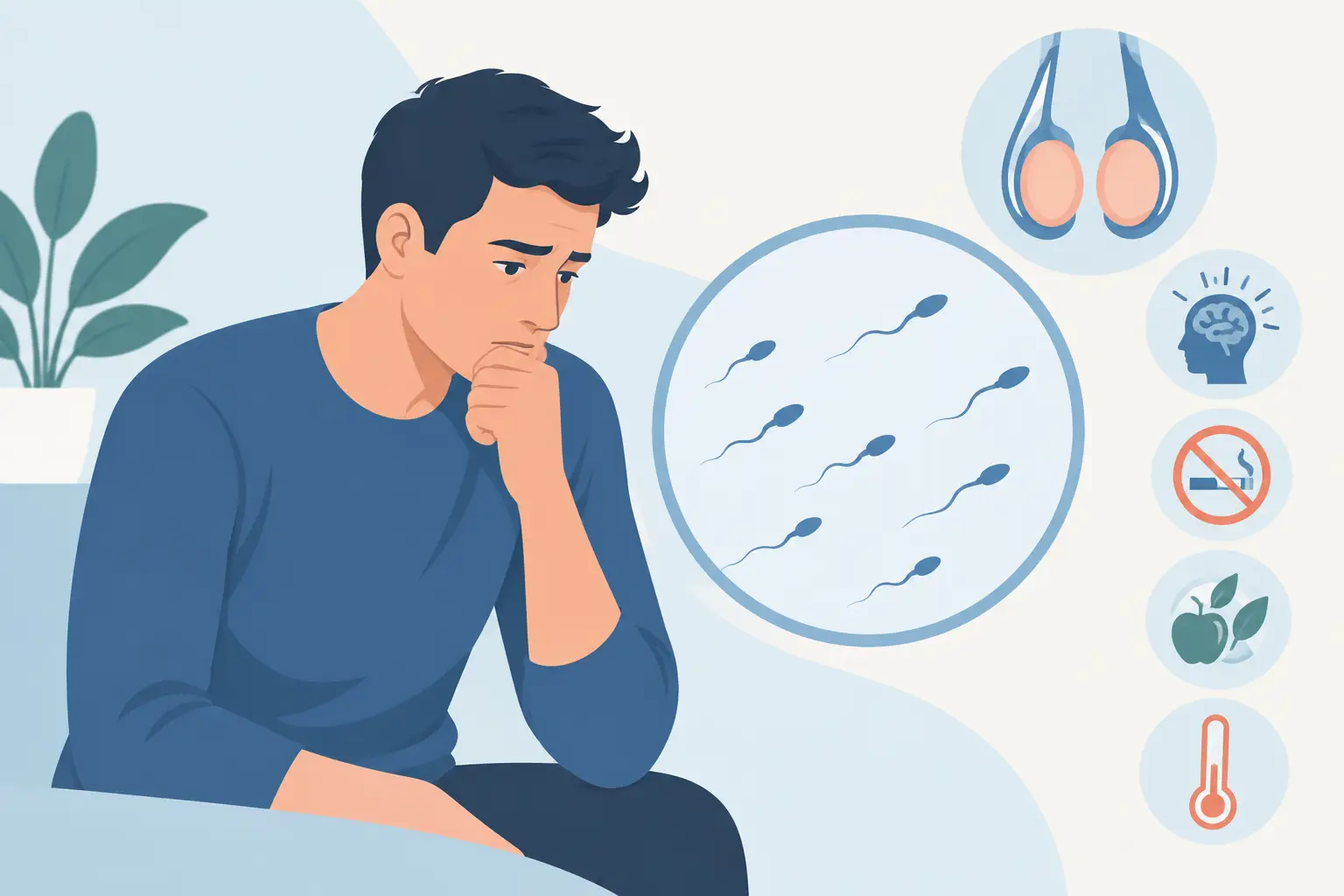
A varicocele is an enlargement of the veins around the testicle and is one of the most common correctable causes of male infertility. The abnormality in the veins can raise testicular temperature and increase oxidative stress, negatively affecting sperm production. Some patients experience pain, a feeling of heaviness in the testicle or reduced volume, while others may have no symptoms at all.
In patients with a clinically significant varicocele, impaired semen parameters and a goal of having a child, microsurgical varicocelectomy may come into consideration. Not every varicocele requires surgery. The decision is made by evaluating examination findings, semen analysis, testicular volume, the couple's age and the female partner's reproductive health together.
Hormonal disorders and testicular function
The pituitary gland in the brain secretes the hormones that control sperm production in the testicles. Changes in FSH, LH and testosterone levels can affect sperm production. Pituitary diseases, testosterone deficiency, high prolactin levels, thyroid disorders and some metabolic diseases can disrupt this balance.
The use of injections, gels or supplements containing external testosterone is a particularly important detail. Anabolic steroids used to increase muscle mass can also suppress the testicles' own sperm production. Even if these products were used with or without a prescription, this should be openly shared with the doctor; the treatment approach varies depending on the duration of use and the hormonal picture.
Genetic and congenital conditions
Genetic factors may play a role in some men with a very low sperm count or azoospermia. Chromosomal differences, deletions of certain regions on the Y chromosome and congenital absence of the sperm ducts are evaluated in this group. These tests contribute not only to understanding the cause but also to the genetic counseling given to the couple when assisted reproduction is being planned.
A history of undescended testicle, testicular surgery in childhood or congenital testicular development disorders can also affect production capacity. Having been treated in childhood does not completely eliminate the risk; regular urological evaluation in adulthood is important.
Obstruction, infection and ejaculation problems
Even if sperm is produced in the testicle, it may not reach the semen because of a blockage in the ducts. Previous infections, trauma, groin or scrotal surgery and vasectomy are among the causes of these blockages. Recurrent genital infections can damage sperm cells directly or through the inflammatory environment they create.
As a result of diabetes, some neurological diseases or previous surgery, semen can flow backward into the bladder. In this condition, called retrograde ejaculation, the amount of semen ejaculated may decrease. The patient's observations about ejaculation, their medications and a urine test are diagnostically valuable.
Medications, cancer treatments and chronic diseases
Chemotherapy and radiotherapy can affect sperm production temporarily or permanently. For patients who plan to have children, the option of sperm freezing should be discussed in good time before treatment. Some immunosuppressive drugs, sulfasalazine, certain antibiotics and other medications can also cause changes in semen parameters. For this reason, medications should not be stopped without a doctor's advice, and their possible effects should be discussed with a urologist.
Uncontrolled diabetes, kidney and liver diseases, severe obesity and some autoimmune diseases can also affect reproductive health. The goal here is not only to raise the sperm count; it is to create more favorable conditions for testicular function by managing general health problems well.
Heat, lifestyle and environmental factors
The testicles are positioned to work at a temperature slightly lower than body temperature. Prolonged exposure to high heat – frequent sauna use, working in very hot environments or keeping a laptop on the lap for long periods – can negatively affect sperm production in some men. The degree and permanence of the effect vary according to the duration of exposure.
Smoking, heavy alcohol consumption, recreational drugs, excess weight, physical inactivity and irregular sleep are also risk factors. A history of working with pesticides, solvents, heavy metals and industrial chemicals should also be asked about. Lifestyle changes are beneficial; however, in a severely low sperm count, losing time with vitamins or herbal products alone can delay treatment of an underlying treatable problem.
How is the evaluation planned?
The andrological evaluation begins with a detailed history and physical examination. How long the couple has been trying to conceive, previous pregnancies, past infections, surgeries, medications, occupational exposures and sexual function are asked about. During the examination, testicular size, the presence of varicocele, the sperm ducts and findings suggesting a hormonal disorder are evaluated.
In addition to semen analysis, hormone tests, scrotal ultrasound, genetic tests when necessary, urine evaluation and infection tests may be requested. Not every test needs to be done for every patient. Tests are selected according to the initial findings, avoiding unnecessary procedures and loss of time.
The goal of treatment is to target the cause
Treatment is planned according to the cause identified. A microsurgical approach for varicocele, appropriate medical treatment for hormonal deficiencies, targeted treatment for infections or surgical options for blockages in the ducts may be considered. In cases where sperm production is severely impaired, microsurgical methods aimed at retrieving sperm from the testicle and assisted reproductive techniques may also come into consideration.
The result of treatment may not be seen immediately. Because a new sperm production cycle takes time, changes in semen parameters are usually evaluated over a few months. During this period, factors such as the female partner's age and ovarian reserve also directly affect planning; for some couples, it may be more appropriate to work in parallel with an IVF center without losing time.
A low sperm count is not a measure of masculinity or sexual performance; it is a reproductive health finding that needs to be investigated medically. Seeking help early allows the right tests to be chosen and the available options to be calmly evaluated according to the couple's goals.