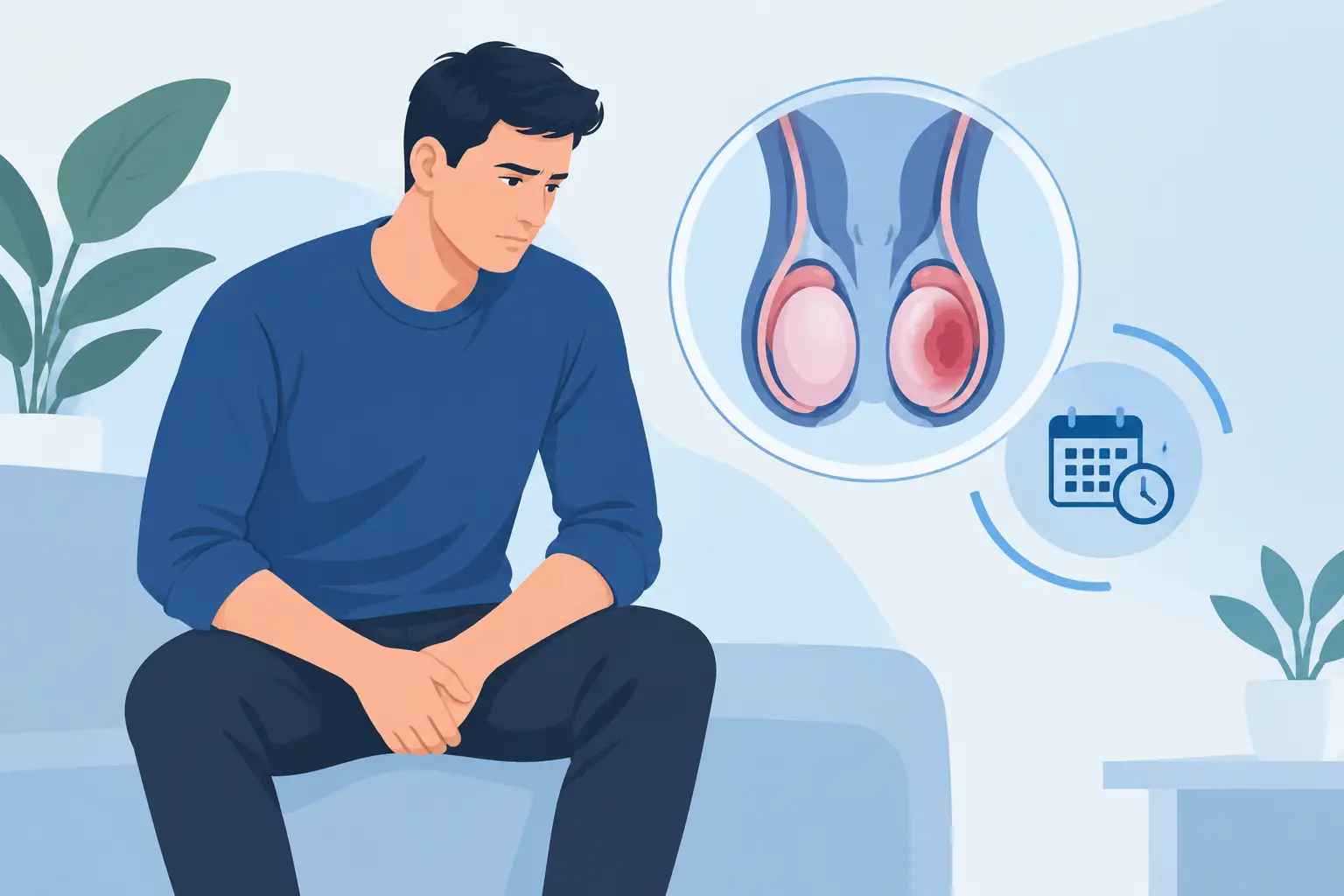

A change in sexual life, an unexpected difficulty in trying to have a child, or a structural problem noticed in the genital area are topics most men tend to put off discussing. Yet seeing an andrology doctor at the right time helps both clarify the cause of the worry and reach suitable treatment options early. Andrology evaluates male reproductive health and sexual function together with their medical, hormonal, vascular, psychological and structural aspects.
This field does not focus solely on relieving a single complaint. Problems such as reduced erection quality, premature ejaculation, impaired sperm parameters or penile curvature can directly affect a person's quality of life, relationship with their partner and family planning. For this reason, the evaluation begins with a consultation that respects privacy and continues with a treatment plan tailored to the individual.
What does an andrology doctor look at?
Andrology is the subspecialty of urology concerned with male sexual health and reproductive function. An andrology doctor focuses not only on the visible part of the complaint but also on the underlying causes. For example, erectile dysfunction can sometimes be related to diabetes, high blood pressure, vascular disease, low testosterone or medications being used. In some patients, intense stress, performance anxiety or relationship dynamics may also be part of the picture.
In male infertility, the evaluation is even more comprehensive. Sperm count, motility and morphology alone may not provide enough information. Varicocele, hormonal disorders, past infections, genetic factors, testicular function and lifestyle habits are considered together. The couple's goal of having a child, the female partner's age and previous treatments also influence planning.
Topics frequently evaluated in andrology practice include:
- Erectile dysfunction and difficulty maintaining an erection
- Premature ejaculation, delayed ejaculation and ejaculation problems
- Male infertility, sperm disorders and azoospermia
- Varicocele and the need for microsurgical varicocelectomy
- Penile curvature and Peyronie's disease
- Penile aesthetics, penile reconstruction and congenital structural problems
- HPV-related genital warts and other genital lesions
- Testosterone deficiency and male hormonal health problems
Not every symptom requires the same treatment. One-size-fits-all advice commonly found online can overlook a person's individual health status. In particular, medications or supplements used without supervision for sexual performance can pose serious risks for people with cardiovascular disease.
What evaluations are done at the first examination?
A major part of the andrology examination is taking a detailed history. When the complaint started, whether it is constant or intermittent, medications used, chronic illnesses, previous surgeries, and smoking and alcohol habits are evaluated. If there is a goal of having a child, previous semen analyses and the couple's treatment history are also reviewed.
The physical examination is especially informative for varicocele, penile curvature, testicular size or genital skin lesions. When needed, hormone tests, blood sugar and cholesterol assessments, semen analysis (spermiogram), color Doppler ultrasound, penile vascular studies or advanced genetic tests may be planned. Ordering every test for every patient is not the right approach. The goal is to choose the most appropriate investigations to clarify the source of the complaint.
When evaluating erectile dysfunction, it is also kept in mind that this condition can sometimes be an early sign related to vascular health. Especially with problems that start suddenly or gradually worsen, an evaluation in terms of general health, not just the symptom, is valuable.
Why do treatment options vary from person to person?
Successful treatment of andrological problems begins with an accurate diagnosis. For erectile dysfunction, lifestyle changes, oral medications, vacuum devices, injection therapies or, in suitable patients, penile prosthesis (implant) options may be considered. Which method comes to the fore depends on the patient's age, vascular status, accompanying illnesses, expectations and response to previous treatments.
The solution for premature ejaculation is not just medication. The duration of the problem, any accompanying erection problem, anxiety level and relationship circumstances are considered together. In some patients, behavioral approaches and medical treatment are planned together, while in others, treating a different underlying sexual function problem takes priority.
In Peyronie's disease, that is, penile curvature, the degree of curvature, the presence of pain, whether the disease is in its active phase and its effect on sexual intercourse are decisive. For mild curvature, monitoring or selected medical approaches may be appropriate. In cases of advanced curvature, deformity or accompanying erection problems, surgical options may come into consideration. The aim here is not only to change the anatomical appearance but to enable a safe and functional sex life.
In male infertility, finding a varicocele does not automatically mean surgery is required. Sperm parameters, pain, testicular development, how long the couple has been trying to conceive and plans for assisted reproduction are evaluated together. In suitable patients who need surgery, microsurgical varicocelectomy is a precise method that allows the veins to be ligated under magnification while preserving surrounding structures.
What should you consider when choosing an andrology doctor?
When making a decision in this field, rather than focusing only on a promise of a quick fix, it is important to look at the doctor's approach to evaluation. Although andrology problems are sensitive topics, in a good consultation the patient should be able to express themselves comfortably and clearly learn the reasoning behind the recommended tests and treatments.
Especially in Peyronie's disease requiring surgery, penile reconstruction, penile prosthesis or microsurgical varicocele operations, the doctor's experience in urology and andrology is important. The limitations, recovery time, possible complications and alternatives of the surgical plan should be discussed as transparently as its potential benefits. Setting realistic expectations is an important part of treatment.
As in the approach of Assoc. Prof. Dr. Uygar Miçooğulları, the aim is to combine academic knowledge and advanced surgical experience with clear communication to the patient. FEBU qualification, scientific work and command of current surgical techniques contribute to building a treatment plan with confidence, especially in complex cases. However, the right treatment is not always the most advanced procedure. Sometimes regular monitoring, lifestyle changes or a more limited treatment may be the option best suited to the patient's needs.
Privacy, follow-up and seeking help at the right time
Putting off sexual health complaints is common. However, if an erection problem lasts longer than three months, penile curvature is progressing, a sore or wart is noticed in the genital area, or pregnancy has not been achieved within a year despite regular unprotected intercourse, a specialist evaluation should not be delayed. For couples in which the female partner is over 35, this may need to be addressed sooner.
Follow-up after treatment is just as valuable as the first examination. The effect and side effects of medication, recovery after surgery, changes in sperm parameters or the course of sexual function should be evaluated regularly. Being able to contact the doctor and their team when needed strengthens the sense of trust, especially in the postoperative period.
Experiencing an andrological problem is not a personal failure, and in most cases there are treatment options that can be considered. Instead of putting off your complaint, talking to an experienced specialist who respects your privacy can be the right start for both your health and your quality of life.